Introduction to the Langtang Valley Trek
The Langtang Valley Trek is one of Nepal’s most enchanting trekking routes, celebrated for its
breathtaking landscapes and rich cultural experiences. Nestled just a short drive from
Kathmandu, this trek offers a perfect escape into the heart of the Himalayas, making it
accessible for novice and seasoned trekkers. With its stunning views, diverse ecosystems,
and welcoming local communities, the Langtang Valley has become a must-visit destination for
adventurers seeking a blend of natural beauty and cultural immersion.
Overview of the Langtang Valley Region
The Langtang region is located within the Langtang National Park, renowned for its
diverse flora and fauna. The park boasts various geographical features, including lush
valleys, towering peaks, and glacial landscapes. Among these peaks is Langtang Lirung, which
rises majestically at 7,227 meters, providing a stunning backdrop throughout the trek.
The region is a paradise for trekkers and a haven for nature lovers and cultural
enthusiasts. The biodiversity here includes rare species such as the Himalayan Tahr, red pandas,
and various bird species, making it an ecological treasure. The rich tapestry of cultures is
primarily woven by the indigenous Tamang and Sherpa communities, who have inhabited these
mountains for centuries. Their traditions, customs, and hospitality are unique to
the trekking experience.

Trekking Experience
Day-by-Day Itinerary
The Langtang Valley Trek typically spans 7 to 10 days, depending on the chosen itinerary and
pace. Below is a general outline of the trek:
Day 1: Drive from Kathmandu to Syabrubesi (1503 m)
Duration: 7-8 hours
This scenic drive takes you through picturesque villages and lush landscapes.
Day 2: Trek from Syabrubesi to Lama Hotel (2380 m)
Duration: 6-7 hours
The trail winds through dense forests alongside the Langtang River.
Day 3: Trek from Lama Hotel to Langtang Village (3430 m)
Duration: 7-8 hours
Trekkers pass through charming Tamang villages and enjoy views of majestic peaks.
Day 4: Trek from Langtang Village to Kyanjin Gompa (3870 m)
Duration: 3-4 hours
This shorter trek allows time to explore Kyanjin Gompa and its surroundings.
Day 5: Acclimatization Day with optional hike to Tserko Ri (4983 m)
Duration: 7-8 hours round trip
A challenging hike rewards trekkers with panoramic views of the Langtang range.
Day 6: Return trek from Kyanjin Gompa to Lama Hotel
Duration: 5-6 hours
Retracing steps through familiar landscapes provides new perspectives.
Day 7: Trek from Lama Hotel back to Syabrubesi
Duration: 6-7 hours
The final descent leads back to where it all began
Day 8: Drive Back to Kathmandu
Duration: 7-8 hours
Returning to Kathmandu and end of trip.
Difficulty Level
The trek is rated as moderate in difficulty, making it suitable for trekkers with a reasonable fitness level. Key points along the route include:
Kyanjin Ri (4773 m) offers stunning views but requires acclimatization.
Tserko Ri (4984 m) presents additional challenges for those seeking higher altitudes.
Landscape Diversity
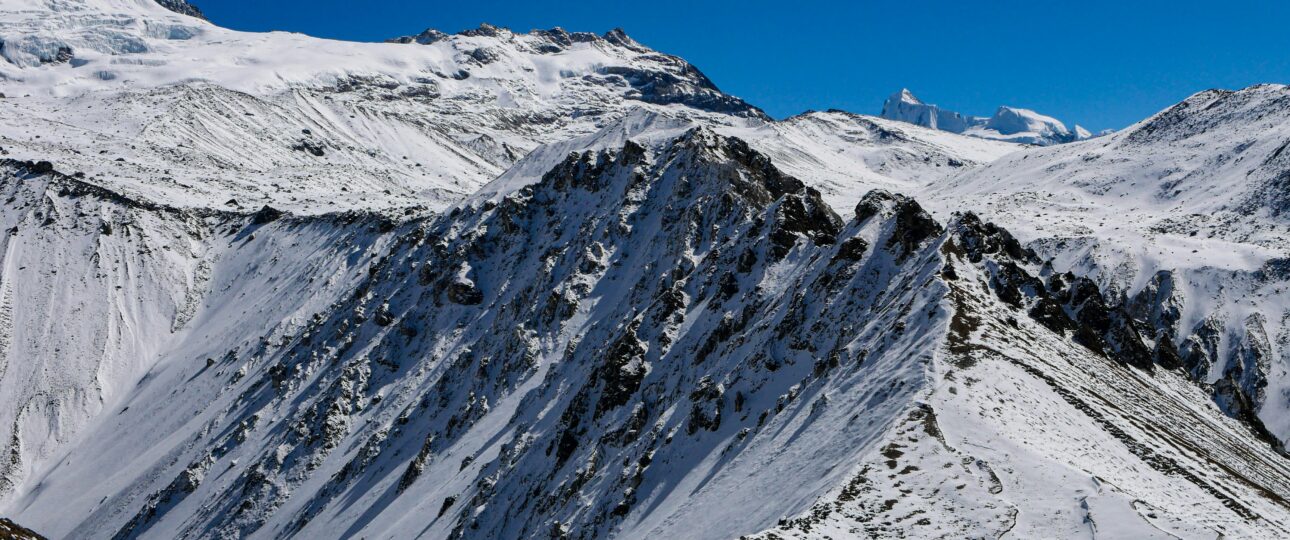
The Langtang Valley showcases an incredible diversity of landscapes—from subtropical forests
filled with rhododendrons to alpine meadows adorned with wildflowers. As trekkers ascend,
they are treated to breathtaking vistas of snow-capped peaks that dominate the skyline.
Cultural Insights
The Tamang and Sherpa communities are integral to the Langtang experience. Their warm
hospitality is evident in the teahouses that line the trekking route, where visitors can enjoy local
cuisine and learn about traditional lifestyles.
Key cultural sites include:
Kyanjin Gompa is an ancient Buddhist monastery that serves as a spiritual hub.
Local homes where trekkers can engage with families, gaining insights into their customs and
daily life.
This cultural immersion enriches the trekking experience, allowing visitors to appreciate not
just the natural beauty but also the rich heritage of this region.
Highlights and Attractions
The Langtang Valley Trek is replete with highlights that captivate trekkers:
Panoramic Views: The trek offers stunning views of the Langtang range, including peaks like
Langtang Lirung and Ganjala Peak.
Natural Beauty: Trekkers will encounter majestic glaciers, thundering waterfalls, and serene
alpine lakes.
Wildlife Sightings: The region’s rich biodiversity includes opportunities to spot rare wildlife such
as red pandas and snow leopards.
Cultural Landmarks: Visitors can explore ancient monasteries like Kyanjin Gompa and interact
with local communities.
Best Time to Visit
The ideal times for trekking in Langtang are during spring (March to May) and autumn
(September to November). These seasons offer stable weather conditions and clear skies for
optimal views.
Packing Essentials
Trekkers should prepare adequately by packing essentials such as:
Warm clothing layers
Sturdy trekking boots
A good-quality sleeping bag
Personal medications
Water purification tablets
Permits Required
To trek in the Langtang region, trekkers need two permits:
TIMS (Trekkers’ Information Management System) card.
Langtang National Park permit.
These can be obtained in Kathmandu before starting your trek.
Acclimatization Tips
Due to varying altitudes along the trek, acclimatization is crucial. Trekkers should:
Ascend gradually.
Stay hydrated.
Listen to their bodies; symptoms of altitude sickness should not be ignored.
Health and Safety
Maintaining health during the trek involves preparing physically beforehand and being mindful
of altitude-related issues. It’s advisable to travel with experienced guides who can assist in
emergencies.
Conclusion
The Langtang Valley Trek stands out as a gem among Nepal’s trekking routes, offering an
authentic Himalayan experience away from the crowds often found in Everest or Annapurna
regions. With its stunning landscapes, rich culture, and welcoming communities, it invites
trekkers to explore its beauty while respecting nature and local traditions.
For those considering this adventure, proper preparation ensures a successful journey filled
with unforgettable memories in one of Nepal’s most captivating valleys. Embark on this trek as an adventure and an opportunity to connect deeply with nature and culture in
one of the world’s most beautiful settings.