Introduction to Kailash and the Kailash Kora
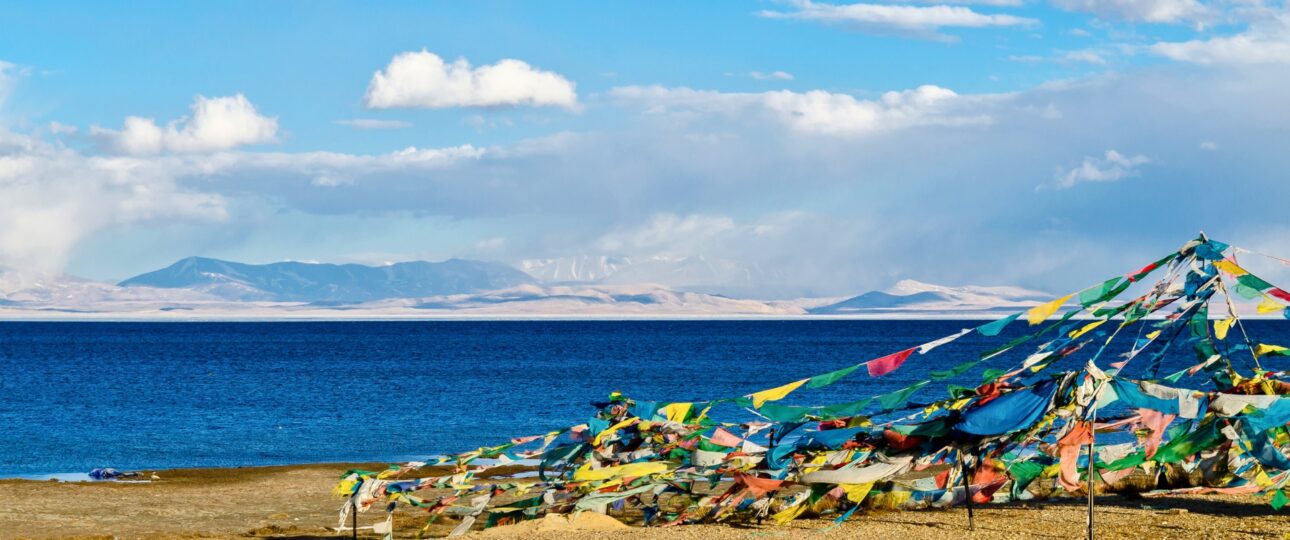
Mount Kailash, standing tall at 6,638 meters in the remote western region of Tibet, is more than just a geographical marvel. It is a sacred mountain revered by Hindus, Buddhists, Jains, and Bon practitioners as the spiritual center of the universe. Near its base lies Lake Manasarovar, a pristine body of water believed to embody purity and divine energy. Together, these sites form one of the most spiritually significant landscapes in the world.
The Kailash Kora refers to the circumambulation (parikrama) around Mount Kailash, a 52-kilometer trek pilgrims undertake as an act of devotion and spiritual cleansing. Unlike other treks that focus on physical adventure, the Kora is deeply rooted in religious and cultural significance. Pilgrims believe that completing this circuit can wash away sins accumulated over a lifetime and bring liberation from worldly attachments.
Mount Kailash, standing tall at 6,638 meters in the remote western region of Tibet, is more than just a geographical marvel. It is a sacred mountain revered by Hindus, Buddhists, Jains, and Bon practitioners as the spiritual center of the universe. Near its base lies Lake Manasarovar, a pristine body of water believed to embody purity and divine energy. Together, these sites form one of the most spiritually significant landscapes in the world.
The Kailash Kora refers to the circumambulation (parikrama) around Mount Kailash, a 52-kilometer trek pilgrims undertake as an act of devotion and spiritual cleansing. Unlike other treks focusing on physical adventure, the Kora is deeply rooted in religious and cultural significance. Pilgrims believe that completing this circuit can wash away sins accumulated over a lifetime and bring liberation from worldly attachments.
Spiritual Significance

The spiritual importance of Kailash Kora transcends religious boundaries. For Hindus, Mount Kailash is considered the earthly manifestation of Lord Shiva, where he resides in eternal meditation. Buddhists see it as the abode of Buddha Demchok, representing supreme bliss. Jains associate it with Rishabhdev, their first Tirthankara, while Bon practitioners regard it as the axis mundi—the center of the universe.
The act of circumambulation itself holds immense significance. Pilgrims walk clockwise around the mountain (except for Bon followers who walk counterclockwise), believing each step purifies their soul. Tibetan Buddhists often prostrate themselves after every few steps, embodying complete surrender to divine forces. Completing one Kora is said to erase a lifetime’s sins; completing ten can liberate one from hellish realms.
The Journey to Kailash
Due to its remote location and challenging terrain, planning a trip to Kailash requires careful preparation. Most travelers begin their journey in Nepal or Tibet. From Kathmandu, Nepal, pilgrims can travel via road or take flights to Lhasa before heading toward Darchen, the base camp for the trek. Alternatively, helicopter tours are available for those looking for quicker access.
Detailed Itinerary for Kailash Mansarovar Yatra
The Kailash Mansarovar Yatra is a spiritual and physical journey that takes you through breathtaking landscapes and sacred sites. Below is a detailed day-by-day itinerary to help you understand the flow of this transformative pilgrimage:
Day 1: Arrival in Kathmandu
Activities: Arrive at Tribhuvan International Airport in Kathmandu, Nepal. Transfer to your hotel. Spend the evening relaxing and enjoying a welcome dinner.
Day 2: Sightseeing in Kathmandu
Activities: In the morning, complete Tibet visa formalities (biometric signature if required). Visit sacred sites including Pashupatinath Temple (dedicated to Lord Shiva), Jal Narayan Temple (Sleeping Vishnu), and Guheshwari Temple. In the evening, attend the mesmerizing Pashupatinath Arati Darshan.
Day 3: Leisure Day for Visa Process
Activities: This day is reserved for visa processing. At your own expense, you can opt for private excursions such as Chandragiri Hill or Doleshor Mahadev Temple. Use this day to prepare for the Kailash trip.
Day 4: Drive from Kathmandu to Rasuwagadhi
Activities: Embark on a scenic 7-hour drive covering 152 km to Rasuwagadhi, at an altitude of 2,500 meters. Along the way, enjoy stunning views of lush valleys, terraced fields, and rivers.
Day 5: Immigration Formalities and Drive to Kerung
Activities: Complete immigration and customs procedures at the Nepal-China border. Cross into Tibet and drive 26 km to Kerung, a small town at an altitude of 2,900 meters.
Day 6: Drive to Saga
Activities: Travel approximately 250 km to Saga at an altitude of 4,500 meters. En route, enjoy panoramic views of Mt. Shishapangma, Gauri Shankar, and other Himalayan peaks from Gurung-La Pass at 5,050 meters.
Day 7: Drive to Lake Manasarovar
Activities: Cover a distance of 385 km to reach Lake Manasarovar at an altitude of 4,500 meters. Catch your first glimpse of Mount Kailash and Lake Manasarovar from Horchu Pass. Overnight stay at Chhu Gompa near the lake.
Day 8: Spiritual Activities at Lake Manasarovar
Activities: Spend the day engaging in spiritual practices such as Puja, Havana, meditation, and taking a holy bath in Lake Manasarovar’s sacred waters. In the afternoon, drive 30 km to Darchen at an altitude of 4,560 meters.
Day 9: Start Kailash Parikrama
Activities: Begin your circumambulation around Mount Kailash. Drive to Tarboche and trek approximately 12 km to Diraphuk Monastery at an altitude of 4,890 meters. This segment takes around 4–5 hours.
Day 10: Trek to Zuthulphuk via Dolma La Pass
Activities: Undertake the most challenging part of the trek by crossing Dolma La Pass at an altitude of 5,600 meters. Descend into a valley dotted with streams and continue trekking approximately 22 km to Zuthulphuk Monastery at an altitude of 4,790 meters. This leg takes around 8–10 hours.
Day 11: Complete Trek and Return Journey
Activities: Finish the trek by walking back to Darchen. After lunch, drive back via Horchu Pass near Lake Manasarovar and continue to Saga.
Day 12: Drive Back to Kerung
Activities: Retrace your route by driving back from Saga to Kerung.
Day 13: Return Journey to Kathmandu
Activities: After completing immigration formalities, cross the Friendship Bridge and drive back to Kathmandu. Then, transfer to your hotel for rest and relaxation.
Day 14: Departure from Kathmandu
Activities: After breakfast, transfer to Tribhuvan International Airport for your departure flight. The trip concludes here.
Practical Tips for Travelers
To ensure a safe and fulfilling experience during the Kailash Mansarovar Yatra, here are some detailed practical tips:
Packing Essentials
Clothing:
- Layered clothing suitable for cold temperatures
- Waterproof jackets
- Thermal innerwear
- Comfortable trekking shoes with good grip
Personal Care:
- Sunscreen with high SPF
- Sunglasses with UV protection
- Lip balm
- Moisturizers for dry skin
Electronics:
- Portable chargers or power banks
- Headlamp or flashlight with extra batteries
- Camera for capturing scenic views
Health Precautions
- Acclimatize properly by spending time at intermediate altitudes before ascending further.
- Carry medications for altitude sickness such as Diamox or consult your physician beforehand.
- Stay hydrated by drinking plenty of water throughout the day.
- Avoid alcohol or smoking as these can exacerbate altitude-related issues.
Physical Preparation
- Build endurance through regular cardio exercises like jogging or cycling.
- Practice walking long distances while carrying a backpack similar in weight to what you’ll use during the trek.
Cultural Sensitivity
- Respect local customs and traditions; avoid touching sacred objects without permission.
- Learn basic Tibetan phrases like “Tashi Delek” (“Hello”) for respectful communication.
Permits and Documentation
- Ensure all necessary permits are arranged well in advance through reliable tour operators specializing in Kailash Yatra packages.
- Carry photocopies of essential documents such as passports, visas, and permits.
Emergency Planning
- Have a contingency plan in case of unexpected delays or health issues.
- Carry emergency contact numbers for your tour operator and local authorities.
By following these tips and adhering closely to the itinerary, you can confidently embark on this once-in-a-lifetime spiritual journey!
Best Times to Visit
The ideal time for the Kailash Kora is during summer (May to September) when weather conditions are more favorable. These months also coincide with religious festivals like Saga Dawa, adding a festive atmosphere to the pilgrimage.
Permits and Transportation
Travelers need special permits to enter Tibet and trek around Mount Kailash. Tour operators usually arrange these permits in Kailash Mansarovar Yatra packages. Transportation options include buses or jeeps up to Darchen and onward trekking.
Preparations
Due to the high altitude (up to 5,648 meters at Dolma La Pass), acclimatization is crucial to avoid altitude sickness. Physical fitness is equally important, as the trek involves steep ascents and rugged paths.
The Kailash Kora Trek Experience
Embarking on the Kailash Kora is both a physical challenge and a spiritual journey. The trek typically takes three days:
Day 1: Darchen to Dirapuk Monastery
This relatively easy segment covers 24 kilometers along gentle slopes. Pilgrims pass through Yam Dwar (“Gate of Salvation”), marking their entry into sacred territory. The north face of Mount Kailash becomes visible here—a sight revered as “Charansparsh,” symbolizing touching Lord Shiva’s feet.
Day 2: Dirapuk Monastery to Dolma La Pass
The second day is considered the most challenging due to steep ascents over rocky paths leading to Dolma La Pass at 5,648 meters—the trek’s highest point. Pilgrims often pause at Shivasthal for prayers before descending into a serene valley dotted with streams.
Day 3: Dolma La Pass to Darchen
The final leg involves walking through flat terrain back to Darchen, completing the circuit. Despite its difficulties—cold temperatures, thin air, and physical exhaustion—the trek offers unparalleled rewards: breathtaking views of Mount Kailash’s majestic peaks and profound moments of spiritual connection.
Why Travelers Should Go?
The journey to Kailash is not merely about reaching a destination; it’s about transformation—physically, mentally, and spiritually. Its religious significance, raw natural beauty, and cultural richness draw travelers.
Mount Kailash is a testament to humanity’s quest for meaning beyond material existence. Its allure lies in its ability to connect people across religions and cultures through shared reverence for something greater than themselves. Walking the Kora allows one to experience humility and surrender while marveling at nature’s grandeur.
This pilgrimage offers adventure seekers an opportunity to explore one of Earth’s most remote landscapes—a “no-man’s land” filled with wild animals and unique geological formations.
Conclusion
The Kailash Kora is not just a trek—it’s an odyssey that challenges your body while nurturing your soul. It offers travelers an unparalleled opportunity to immerse themselves in spirituality while exploring one of Earth’s most extraordinary landscapes.