Annapurna region is Located in the north-central part of the country, boasting some of the most stunning and diverse landscapes in the world. From lush forests and terraced rice fields to snow-capped mountains and gushing rivers, the Annapurna region has something for everyone.
One of the major attractions of the Annapurna region is the Annapurna Circuit trek. This multi-day trek takes you through the beautiful Annapurna range, passing through various villages, temples, and monasteries. The trek culminates at the Thorong La Pass, which at an elevation of 5,416 meters (17,769 feet), offers breathtaking views of the surrounding peaks. The Annapurna Circuit trek is suitable for people of all fitness levels, as there are options for shorter or longer routes depending on your preference.
Another popular trek in the Annapurna region is the Poon Hill trek. This short and relatively easy trek takes you to the Poon Hill viewpoint, which offers panoramic views of the Annapurna and Dhaulagiri ranges. The trek is perfect for those who don’t have a lot of time or don’t want to commit to a longer trek.
If you still need to get into trekking, there are plenty of other things to do in the Annapurna region. One of the most popular activities is visiting the hot springs at Tatopani. The hot springs are believed to have medicinal properties and are a great way to relax after long trekking.
Another must-visit destination in the Annapurna region is the city of Pokhara. Located at the foot of the Annapurna range, Pokhara is known for its picturesque lakes and stunning views of the mountains. Some popular activities in Pokhara include boating on Phewa Lake, paragliding, and visiting the International Mountain Museum.
The Annapurna region has plenty to offer if you’re interested in culture and history. The area is home to several ancient temples and monasteries, including the Rupa Tal and Begnas Tal. These beautiful lakeside temples are great places to relax and enjoy a peaceful atmosphere.
The Annapurna region is also home to many fascinating villages with unique cultures and traditions. One of the region’s most exciting villages is Ghandruk, known for its traditional stone houses and beautiful views of the Annapurna range.
Overall, the Annapurna region is an absolute must-visit destination for anyone traveling to Nepal. The region has something for everyone with its diverse landscapes, stunning views, and rich culture. So if you’re planning a trip to Nepal, including the Annapurna region in your itinerary – you won’t be disappointed!
How to reach there?
Located in the north-central part of the country, this region is home to some of the world’s highest mountains, including the famous Annapurna Massif, which stands at an impressive 26,545 feet.
You’ll need to fly into Kathmandu to reach the Annapurna Region. From there, you can either hire a car or take a local bus to Pokhara, which is the gateway to the Annapurna Region. The journey from Kathmandu to Pokhara takes around 6-7 hours by car or 8-9 hours by bus.
Once you reach Pokhara, you’ll have a few options for exploring the Annapurna Region. The good idea is to take a guided trek along, allowing you to experience the region’s stunning beauty safely and securely. You can choose various trekking routes, ranging from easy to challenging, depending on your fitness level and experience.
Alternatively, you can opt for an independent trek if you feel adventurous. This option allows you to explore the region on your terms, but it’s essential to be prepared and well-equipped, as the terrain can be challenging. Make sure to research the route beforehand, and hire a local guide to help you navigate the trails and provide valuable information about the area.
Another option is to take a jeep safari, which allows you to explore the region comfortably and conveniently. You’ll be able to visit some of the region’s most popular attractions, such as the beautiful lakes of Phewa and Rupa, the stunning viewpoints of Sarangkot and World Peace Pagoda, and the holy town of Muktinath.
No matter how you explore the Annapurna Region, you will surely be amazed by its natural beauty and cultural diversity. From the towering peaks of the Annapurna Massif to the picturesque villages and terraced fields, there’s something for everyone in this great part of Nepal. So why wait? Start planning your trip to the Annapurna Region today and experience the adventure of a lifetime!
Types of tour packages found in the Annapurna Region
The Annapurna region in Nepal is a dream destination for many travelers, offering breathtaking views, unique culture, and challenging treks. If you’re planning a trip to this beautiful region, you’ll have plenty of tour package options to choose from. Here’s a breakdown of tour packages you can find in the Annapurna region.
Trekking tours
The Annapurna region is home to some of the most iconic treks in Nepal, including the Annapurna Circuit and the Annapurna Base Camp Trek. These treks take you through stunning landscapes, passing through small villages and ending at the base of the Annapurna massif. Trekking tours usually include transportation to and from the starting point, accommodation, meals, and a guide. Some tour packages also include additional activities, such as cultural tours or side hikes.
Cultural tours
If you’re more interested in learning about the local culture and history of the Annapurna region, consider a cultural tour. These tours take you to historical sites, temples, and villages, allowing you to interact with locals and learn about their way of life. Cultural tours often include transportation, accommodation, meals, and a guide.
Adventure tours
The Annapurna region offers plenty of adventure tour options for those seeking a more adrenaline-filled trip. These tours include activities such as rafting, paragliding, or mountain biking. Adventure tours often include transportation, accommodation, meals, equipment, and a guide.
Yoga and wellness tours
The Annapurna region is also an excellent destination for those looking to relax. Yoga and wellness tours offer the opportunity to practice yoga and meditation in stunning locations and indulge in spa treatments and other relaxation activities. These tours usually include transportation, accommodation, meals, and yoga or wellness classes.
Family tours
The Annapurna region is family-friendly, with plenty of activities and tour in nepal for children. Family tours often include kid-friendly activities, such as pony rides, cultural workshops, sightseeing, and accommodations and meals.
Custom tours
Consider a custom tour if you have specific interests or preferences for your trip to the Annapurna region. These tours are tailored to your needs and can include activities and destinations. Custom tours usually include transportation, accommodation, meals, and a guide.
No matter what type of tour you choose, the Annapurna region is sure to offer an unforgettable experience. From challenging treks to relaxing yoga retreats, there’s something for everyone in this beautiful region of Nepal. Just be sure to pack your sense of adventure and an open mind, and you’re sure to have a fantastic trip.
Culture in Annapurna Region
The Annapurna region in Nepal is a colorful and diverse place with a rich cultural heritage. Located in the central part of the country, the region is known for its stunning mountain views and unique cultural practices.
One of the most distinctive aspects of the culture in the Annapurna region is the strong influence of Hinduism and Buddhism. Many locals follow the Hindu faith, and the region is home to several important temples and shrines. The Buddhist influence can be seen in the numerous monasteries and stupas that dot the landscape.
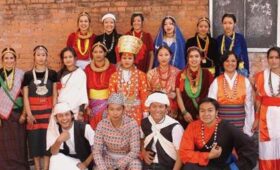
The Annapurna region is also home to several different ethnic groups, each with different cultural practices and traditions. The Thakalis, for example, are known for their culinary skills and the production of traditional dishes such as thukpa and momos. The Gurungs, on the other hand, are renowned for their skills in weaving and handicrafts.
One of the most interesting cultural traditions in the Annapurna region is the practice of Mani Rimdu, a religious festival that takes place annually. The festival involves a series of rituals and ceremonies, including creating elaborate sand mandalas and performing traditional dance and music.
Another aspect of the culture in the Annapurna region that is worth mentioning is the strong sense of community and hospitality. Residents are known for their warmth and generosity, and visitors to the area are often welcomed into homes and treated as part of the family. This sense of community is evident in the many local festivals and celebrations.
Overall, the Annapurna region is fascinating and vibrant, with a rich and diverse cultural heritage. Whether you’re interested in religious traditions, ethnic customs, or community celebrations, there is something for everyone in this beautiful part of Nepal. So if you’re planning a trip to the region, take some time to explore its unique culture and discover all it has to offer.
Cuisines in Annapurna Region
The Annapurna region of Nepal is known for its diverse and delicious cuisine. Located in the heart of the Himalayan mountains, this region is home to various ethnic groups and cultural influences reflected in its unique food culture.
One of the staple dishes in the Annapurna region is dal bhat, a hearty meal consisting of steamed rice and lentil soup, often served with a variety of side dishes such as vegetables, pickles, and tangy chutneys. This dish is consumed daily by locals and tourists alike.
Another popular dish in Annapurna is momo, a steamed dumpling filled with meat or vegetables. These dumplings are often served with a spicy sauce and are a popular snack or light meal.
In addition to dal bhat and momo, the Annapurna region is also known for its delicious street food. From spicy chow mein noodles to savory momo cha (momos served in a soup), the streets of the Annapurna region are filled with vendors selling delicious and affordable snacks.
The Annapurna region also offers plenty of tasty treats for those with a sweet tooth. One of the most popular desserts is jalebi; a sweet, syrupy fried dough often served with yogurt or ice cream. Another popular dessert is gulab jamun, a deep-fried dough ball soaked in sweet syrup. Other dessert items in this region are Rice pudding, snicker rolls, and Tibetan bread.
Despite its remote location, the Annapurna region has a thriving food culture that will satisfy even the pickiest foodies. Whether you’re looking for a hearty meal or a tasty snack, the cuisine of the Annapurna region has something to offer everyone.
Festivals in Annapurna Region
If you’re looking to add excitement to your travels, consider making a trip to Annapurna Region in Nepal. This remote region is home to several fascinating festivals that offer a glimpse into the unique culture and traditions of the area.
Do the research and see if you can coincide your visit with one of these fascinating festivals. It’s an excellent opportunity to experience this unique region’s rich culture and traditions—especially Upper Mustang, a cultural hub for festivals with unusual rituals and myths.
One of the most notable festivals in Upper Mustang is the Tiji Festival, also known as the “Festival of the Expelling of the Demons.” This three-day celebration takes place every May and is filled with vibrant costumes, energetic dance performances, and religious rituals. The festival is based on the legend of a prince who saved the kingdom from a destructive demon, and the celebration serves as a way to reaffirm the victory over evil forces.
Another famous festival in Upper Mustang is the Yartung Festival, which is held every June. This festival marks the beginning of the monsoon season and is a time for farmers to give thanks for a successful harvest. The festival features traditional singing, dancing, and food and drink offerings to the local deities.
One of the unique festivals in Upper Mustang is the Muktinath Festival, which takes place every August. This festival is centered around the sacred temple of Muktinath and is a time for pilgrims to make a trek to the temple to cleanse their sins and seek blessings from the gods. The festival also features religious rituals, offerings, and a parade of local musicians and dancers.
In addition to these more significant festivals, many smaller celebrations occur throughout the year in Upper Mustang. These include the Palden Lhamo Festival, which is held in honor of the guardian deity of Mustang, and the Naurakot Festival, which celebrates the birth of the Buddha.
Climate in Annapurna
The Annapurna region is a stunning area in Nepal known for its impressive mountain ranges and beautiful landscapes. Located in the central part of the country, the Annapurna region is home to some of the highest peaks in the world, including the mighty Annapurna Massif.
Annapurna region is one of the most striking features of the Annapurna region. The climate varies greatly depending on altitude. The lower elevations, below 3,000 meters, have a subtropical climate with hot summers and mild winters.
As you climb higher in elevation, the climate becomes more temperate, and the temperatures begin to drop. At elevations between 3,000 and 4,000 meters, the weather is cool and pleasant, with average temperatures ranging from 10 to 20 degrees Celsius. This is a great time to visit if you want to enjoy the beautiful landscapes without feeling too hot or cold.
At even higher elevations, above 4,000 meters, the climate becomes alpine and can be pretty cold, with temperatures dropping below freezing at night. This is the realm of the snow-capped peaks and glaciers of the Annapurna Massif, and it is a challenging but rewarding environment for experienced climbers and hikers.
Overall, the climate of the Annapurna region is one of the many reasons it is such a popular destination for adventure seekers and nature lovers. Whether you’re looking to hike through lush forests, climb towering peaks, or enjoy beautiful landscapes, the Annapurna region has something for everyone.
Annapurna region in different shades of the four seasons.
Spring
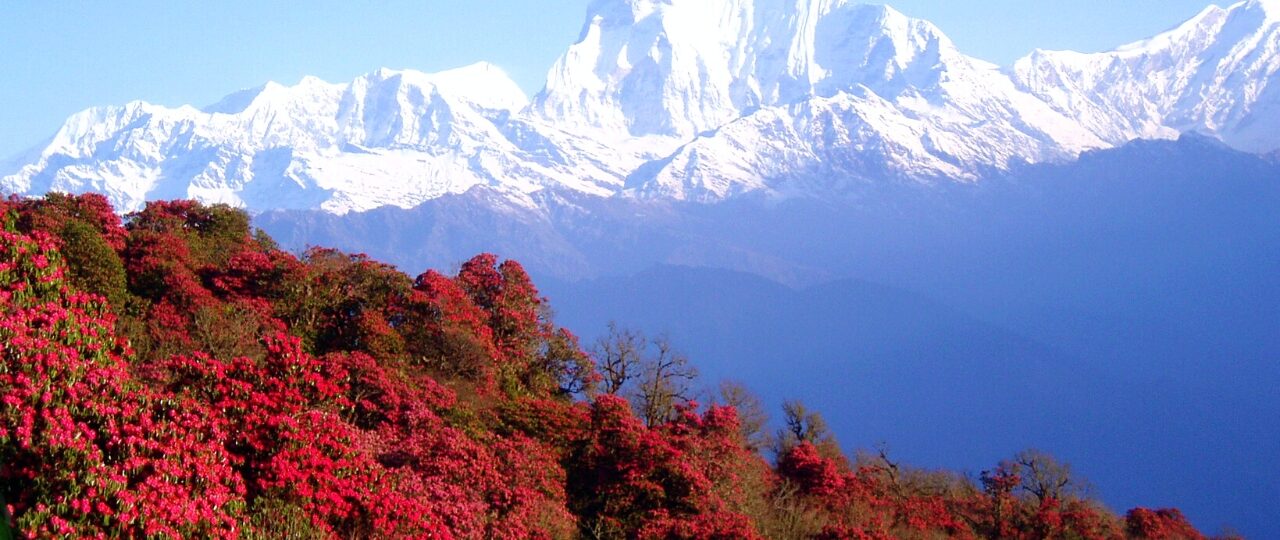
Ah, springtime in the Annapurna Region. The snow has melted, the air is warm, and the mountains are alive with lush greens and wildflowers. As you travel through the region, you’ll likely experience a mix of sunny and cloudy days. The mornings and evenings can still be chilly, so pack a light jacket. But by mid-day, the temperatures will rise, making it perfect for hiking and other outdoor activities. One of the best things about spring in the Annapurna Region is the blooming rhododendron forests. These majestic trees burst into a sea of pink, red, and white flowers, creating a stunning display. Another spring highlight in the Annapurna Region is the clear views of the Himalayan peaks. The snow has melted, revealing the towering peaks in all their glory. It’s the perfect time for a trek to see these majestic mountains up close. Overall, spring in the Annapurna Region is a beautiful time to visit. The weather is mild, the flowers bloom, and the views are breathtaking. So pack your bags and head to this magical region for a once-in-a-lifetime adventure.
Autumn
The Autumn season in Annapurna Region is truly a sight to behold. The leaves turn a vibrant shade of red and gold, creating a simply mesmerizing landscape. The weather during this time is typically calm and crisp, with clear blue skies and plenty of sunshine. The mornings tend to be chilly, with temperatures hovering around ten °C, but as the day progresses, the temperature warms up to a comfortable 20°C. One of the best things about Autumn in the Annapurna Region is the stunning views of the Himalayas. The clear skies make perfect conditions to see these towering peaks in all their glory. The Autumn season is also the ideal time for outdoor activities, such as hiking and trekking. Plus, the colorful foliage provides a beautiful backdrop for your adventures. Overall, Autumn in Annapurna Region is a magical time to visit. The weather is perfect for outdoor activities, and the scenery is stunning. So pack your bags and head to this excellent region for a truly unforgettable experience.
It is also the best time to visit this beautiful region, which typically runs from September to November. During this time, the weather is pleasant, and the skies are clear, providing stunning views of the towering peaks of Annapurna and Dhaulagiri. The autumn season is also when the famous Annapurna Circuit Trek takes place, attracting many trekkers from around the world. So if you’re planning a trip to the Annapurna region, visit during the autumn for the best experience.
Winter
Winter season in the Annapurna region of Nepal is a magical time to visit. The snow-capped peaks of the Annapurna mountain range provide a stunning backdrop as you trek through the area. Temperatures in the Annapurna region during winter can drop as low as -10 degrees Celsius at night, so it’s important to pack warm clothes and gear. The days are typically sunny and clear, with occasional snowfall in the higher elevations. One of the most popular treks during winter is the Annapurna Base Camp trek, where you can camp at the base of Annapurna South at an altitude of 4,130 meters. The views of the surrounding mountains and the frozen waterfall at Machhapuchhre Base Camp are breathtaking. Another winter highlight in the Annapurna region is the Ghorepani Poon Hill trek, where you can witness the sunrise over the snow-covered peaks of Annapurna and Dhaulagiri. The clear skies and crisp air make perfect conditions to capture stunning photos. Overall, winter in the Annapurna region is a beautiful and unique experience. The cold weather and snow-covered landscapes add a touch of whimsy to your trek and make for an unforgettable adventure.
Monsoon
The monsoon season in the Annapurna Region of Nepal is a sight to behold. The region’s lush greenery comes to life as the rains nourish the land and the misty clouds envelop the peaks of the majestic Annapurna mountain range. While the monsoon season can bring some challenges for trekking and hiking, it also offers a unique and beautiful experience. The heavy rainfall can make trails muddy and slippery, but it also creates stunning waterfalls and rushing rivers. One of the best ways to experience the monsoon season in the Annapurna Region is to stay in a local tea house or homestay, which allows you to connect with the locals and learn about their way of life during the rainy season. You can also enjoy the comfort of a warm fire and a hot cup of tea as you watch the rain pour outside. In addition to the mesmerizing landscape, the monsoon season in the Annapurna Region also offers unique wildlife sightings. The rain brings out a variety of colorful birds and amphibians, making it a paradise for nature lovers. Although the monsoon season may not be ideal for strenuous treks, it offers a serene and peaceful experience. The rain may cause some disruptions to your travel plans, but it is also a reminder of the powerful and transformative nature of the elements. Overall, the monsoon season in the Annapurna Region is a unique and unforgettable experience for those willing to embrace the challenges and beauty of the natural world.
Flora and Fauna in Annapurna Region
The Annapurna region in Nepal is a paradise for nature lovers, boasting a rich and diverse array of flora and fauna. Located at the base of the Annapurna mountain range, this region is home to some of the world’s most beautiful and unique species.
The snow leopard is one of the most iconic animals in the Annapurna region. These elusive and elusive creatures are rarely seen, but you can still feel their presence in the region’s rugged and snowy terrain. Snow leopards are known for their thick and fluffy coats, which help them blend in with the snow-capped peaks of the Annapurna mountain range.
Another fascinating animal in the Annapurna region is the red panda. These adorable creatures are known for their reddish-brown fur and bushy tails and can often be found munching on bamboo in the region’s forests. Red pandas are considered endangered, so spotting one in the wild is a special treat for nature lovers.
In addition to its impressive array of mammals, the Annapurna region is also home to various birds and reptiles. Some of the most notable bird species in the area include the Impeyan pheasant, Nepal’s national bird, and the Himalayan monal, known for its striking colors and beautiful call. Reptiles like the monitor lizard and the cobra can also be found in the region, although they are typically seen in more remote areas.
Of course, the Annapurna region is also home to various plants and flowers. From the tall pines and rhododendrons in the higher elevations to the lush forests lower down, the region’s flora is as varied and diverse as its fauna. Some of the most striking plants in the area include the blue poppy, the national flower of Nepal, and the rhododendron, which blooms in vibrant shades of red and pink in the springtime.
In addition to its incredible flora and fauna, the Annapurna region also offers some of the most breathtaking landscapes in the world. From the snow-capped peaks of the Annapurna mountain range to the rolling hills and forests, the region is a true natural wonder. Whether you’re an experienced hiker or just looking to enjoy the beauty of the outdoors, the Annapurna region is the perfect place to explore. With its rich and diverse flora and fauna, breathtaking landscapes, and unique wildlife, the Annapurna region is a must-see destination for nature lovers.
Endangered plants and animals in the Annapurna Region
The snow leopard is one of the most iconic and endangered animals in the Annapurna region. These elusive cats are found at high altitudes in the Himalayan mountain range and are threatened by habitat loss, poaching, and conflict with humans. Efforts are being made to protect snow leopards through conservation programs, habitat protection, and education initiatives.
Another endangered animal found in the Annapurna region is the red panda. These adorable creatures live in the bamboo forests of the Himalayas and are threatened by habitat destruction, poaching, and climate change. Conservation efforts are focused on protecting and restoring red panda habitat and educating local communities about the importance of these animals.
It is also home to several endangered plant species, including the Himalayan blue poppy and the Himalayan primrose. These beautiful flowers are found at high altitudes and are threatened by climate change, pollution, and overgrazing. Conservation efforts are focused on protecting and restoring the habitats of these plants, as well as promoting sustainable land use practices.
It is essential for tourists visiting the Annapurna region to be mindful of their impact on the local environment and to support conservation efforts. This can include choosing eco-friendly accommodations, respecting wildlife, and supporting local conservation organizations.
Religion residing in Annapurna Region
Most people in the Annapurna region follow Hinduism, the oldest religion in the world and the dominant religion in Nepal.
Hinduism is a diverse religion with various gods and goddesses, and the people of the Annapurna region have their unique way of practicing it. One of the most important deities in the area is Annapurna, the goddess of food and nourishment. She is believed to be the source of all food and is worshipped by the region’s people.
You will find many temples dedicated to Annapurna and other Hindu deities in the Annapurna region. These temples are often adorned with intricate carvings and colorful paintings, and the locals visit them regularly to pray and make offerings.
But Hinduism is not the only religion practiced in the Annapurna region. There is also a significant population of Buddhists who follow the teachings of the Buddha and strive to achieve enlightenment. Buddhism is a more peaceful and meditative religion, and it is often practiced alongside Hinduism in Nepal.
If you visit there, you will have the opportunity to learn more about these religions and their practices. You can visit temples and monasteries, participate in traditional ceremonies, and meet with local religious leaders to learn more about their beliefs and traditions.
The Annapurna region is welcoming and inclusive no matter what religion you follow.
Availability of Accommodations in the Annapurna Region
Accommodation in the Annapurna Region is staying in a teahouse. These small, locally run guesthouses offer simple rooms and often shared bathrooms. Teahouses are a great way to immerse yourself in local culture. The locals typically serve Nepali cuisine. Some teahouses may not have electricity, so be prepared for a more rustic experience.
Camping is an excellent option if you’re an experienced trekker. You’ll need to bring your tent and gear, but the Annapurna Region offers scenic spots to pitch a tent. Many trekking agencies also offer camping tours with equipment and guides.
If you prefer a more luxurious experience, lodges and hotels are available in the Annapurna Region. These tend to be located in larger towns and villages and offer a range of amenities such as private bathrooms, hot showers, and electricity.
Overall, the Annapurna Region offers a variety of accommodations to suit different budgets and preferences. Whether you want a rustic teahouse experience, a camping adventure, or a more luxurious hotel, there’s something for everyone in this beautiful region.
Permits required to enter the Annapurna Region
Before you decide to go to the Annapurna Region, there are a few permits you need to secure.
First and foremost, you’ll need a Trekker’s Information Management System (TIMS) card. This card is issued by the Nepal Tourism Board and serves as a record of your trek in the region. Having this card with you always while in the Annapurna region is essential. You can get a TIMS card at the Nepal Tourism Board office in Kathmandu or any regional office.
In addition to the TIMS card, you’ll also need an Annapurna Conservation Area Project (ACAP) permit. This permit grants you access to the Annapurna Conservation Area, which spans over 7,600 square kilometers and includes the Annapurna range, one of the highest mountain ranges in the world. You can get an ACAP permit at the Nepal Tourism Board office in Kathmandu or the ACAP office in Pokhara.
Finally, if you’re planning on trekking to the base camp of Annapurna South or Annapurna Base Camp, you’ll need a special permit. These permits are issued by the Nepal Mountaineering Association (NMA) and can be obtained at the NMA office in Kathmandu.
It’s important to note that these permits are only valid for a specific period, so check the expiration dates before you go. Also, be prepared to pay a fee for each permit. The prices for TIMS and ACAP permits are relatively small, but the base camp permits can be pricier.
Overall, obtaining the necessary permits for the Annapurna region is a hassle. Still, it’s worth it to be able to experience the stunning natural beauty of this region.
Things to look out for while traveling to the Annapurna region
Trekking in the Annapurna Region is a dream for many adventure seekers. The stunning views of the majestic Annapurna mountain range and the vibrant culture of the local communities make it an unforgettable experience. However, it’s not all smooth sailing. The Annapurna Region is known for its challenging trekking routes and unpredictable weather. Here are some challenges you may encounter while trekking in the Annapurna Region.
Altitude sickness is a common challenge faced by trekkers in the Annapurna Region. As you gain altitude, the air gets thinner, making breathing harder. Symptoms of altitude sickness include headache, nausea, and dizziness. It’s essential to acclimatize properly by taking frequent rest days and drinking plenty of fluids. If symptoms persist, it’s best to descend to a lower altitude for proper treatment. Another challenge is the unpredictable weather. The Annapurna Region is known for its extreme weather conditions, from scorching hot days to cold nights. The best trek is during the dry season, from October to November and March to April. However, even during these months, sudden rain or snowfall can occur. It’s essential to be prepared with the right gear and clothing to protect against the elements.
The landscape in the Annapurna Region can be pretty challenging. The trails are often steep and rocky, with narrow paths and loose gravel. Good physical fitness and sturdy hiking boots are essential to navigating the terrain. Additionally, the higher you climb, the more challenging the landscape becomes. Another challenge is the need for more infrastructure in this Region. The trails are remote compared to other trekking destinations, meaning the travelers must be self-sufficient and carry food and water. The lodges and guesthouses along the route are basic, with limited facilities. Despite these challenges, trekking in the Annapurna is a truly rewarding experience. The stunning views, rich culture, and sense of accomplishment make it all worth it. With proper preparation and the right attitude, you can overcome these challenges and have a memorable trekking experience in the Annapurna Region.