Introduction
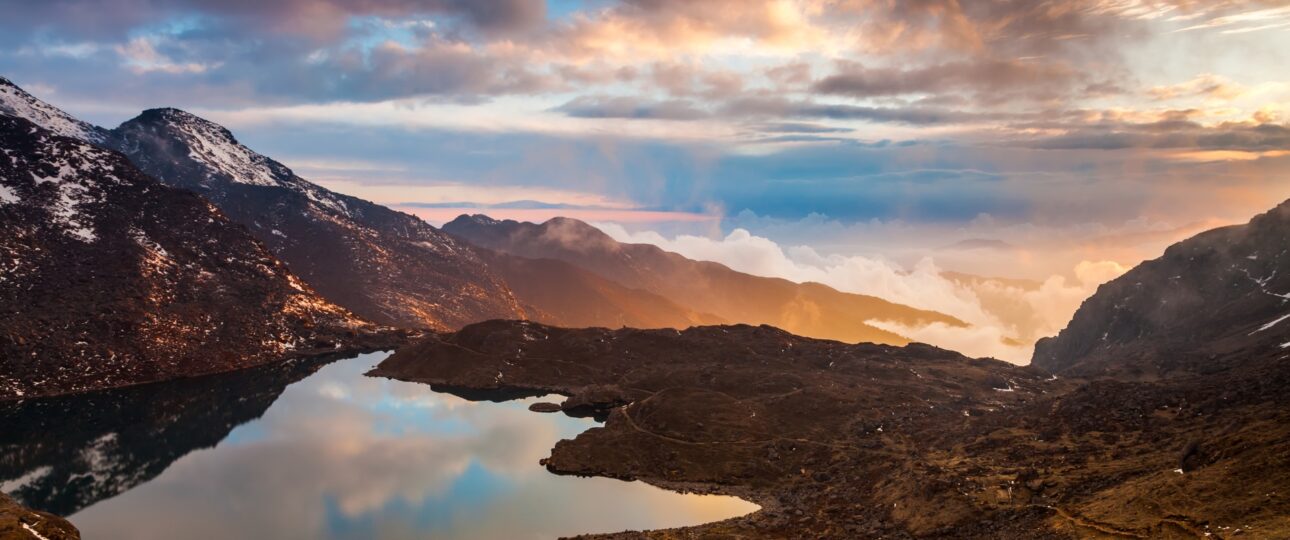
The crisp mountain air, carrying the faint scent of pine and damp earth, vibrated with an almost palpable spiritual energy. Around me, the landscape unfolded in a dramatic tapestry of towering peaks and verdant valleys, each vista hinting at the profound sanctity that awaited us at our destination: Gosaikunda, the revered high-altitude lake nestled in the heart of Nepal’s Langtang region. This wasn’t merely a sightseeing expedition but a deeply immersive shamanic pilgrimage, a journey into the heart of ancient traditions and the vibrant intersection of faith, culture, and the raw, untamed power of the Himalayas.
Our objective was to witness and, with due respect, partake in the Janai Purnima festival at Gosaikunda (4380m). This event draws not only throngs of devout Hindus seeking spiritual purification but also hundreds of the enigmatic shamans of Nepal. Known locally by the evocative terms jhankris or dhamis(shamans), these spiritual practitioners, predominantly from the Tamang and Gurung communities, hold Gosaikunda in the highest esteem. For them, this serene alpine lake is no ordinary body of water; it is the sacred “abode of Shiva, the ultimate shaman,” a potent wellspring of spiritual renewal and a vital conduit to the realm of ancestral spirits.
The significance of Gosaikunda resonates deeply within the Hindu faith. Legend narrates that, having consumed the devastating poison kalakuta to save the universe, Lord Shiva sought solace and purification in the lake’s icy embrace. A dip in its sacred waters is believed to absolve devotees of their sins, a powerful act of spiritual cleansing that draws pilgrims from far and wide.
However, the allure of Gosaikunda extends beyond Hindu traditions. The lake possesses an even more profound resonance for the shamans of Nepal. It is considered a pivotal power center, a place where they can reconnect with the primal forces of nature and bolster their spiritual energies. The annual Janai Purnima festival, timed with the auspicious full moon of August (in 2024, falling on Saturday, August 9th), transforms the tranquil lakeside into a dynamic and captivating spectacle of faith. It is a vibrant shamanic fair interwoven seamlessly with a significant Hindu pilgrimage, creating a unique cultural confluence.

My own experience was one of profound immersion. I witnessed firsthand the captivating drum-and-dance rituals performed by the jhankris. Adorned in their distinctive traditional attire, often featuring intricate beadwork, feathered headdresses, and symbolic amulets, they moved with an otherworldly grace, their bodies swaying and twirling in trance-like states. The rhythmic pulse of their traditional drums, the dhyangros, echoed across the lake’s still waters, creating an atmosphere thick with spiritual intensity. These weren’t mere performances; they were deeply personal and communal acts of devotion, expressions of connection to the spirit world.
The jhankris would periodically plunge into the frigid, glacier-fed springs that feed Gosaikunda, most notably the sacred Trishul Dhara, its waters believed to possess potent purifying properties. Emerging, they would sprinkle the holy water upon the assembled pilgrims, bestowing blessings and offering a tangible link to the spiritual energies they had invoked.
This annual gathering also serves as a crucial rite of passage for aspiring shamans. I observed young apprentices undergoing their induction into this ancient spiritual lineage. Their dedication was palpable, most notably during the rigorous overnight trance dances. These tireless performances, often lasting for hours under the watchful eyes of their elders, serve as a powerful demonstration of their spiritual fortitude and their capacity to channel the energies required of a full-fledged jhankri. It was a powerful testament to the continuity of tradition, the passing of sacred knowledge from one generation to the next.
Traversing the Sacred Trails: Our Multi-Day Trek to Gosaikunda
Our journey to this sacred site was not a mere hop and skip but a multi-day trek that tested our physical endurance while enriching our spiritual understanding. We began with a scenic yet undeniably challenging 6-7 hour jeep ride from the bustling city of Kathmandu to the relative tranquility of Dhunche (1960m) in the Rasuwa district. The monsoon season had left its mark on the roads, turning stretches into muddy obstacles that demanded patience and a good dose of resilience – a fitting prelude to the demanding yet rewarding days ahead. Dhunche, perched on a hillside, offered our first taste of the mountain air and served as a crucial point for acclimatization, allowing our bodies to begin adjusting to the increasing altitude.
From Dhunche, the landscape gradually transformed, leading us deeper into the heart of the Langtang National Park. Each day brought new vistas and new challenges:
Day 2: Dhunche to Sing Gompa (Chandanbari) (approximately 3350m):
The trail ascended steadily, winding its way through dense rhododendron forests, their vibrant blossoms contrasting with the rugged terrain. Glimpses of the majestic Ganesh Himal, its snow-capped peaks piercing the sky, provided constant motivation. Reaching Sing Gompa, a charming Tamang village nestled amongst the trees, felt like stepping back in time. The small gompa (monastery) exuded an aura of peace, the gentle murmur of prayers and the soft glow of butter lamps creating a serene atmosphere. We had the privilege of chatting with some resident monks, gaining insight into their spiritual lives. The panoramic views of the Langtang and Ganesh ranges from this vantage point were breathtaking, a reward for the day’s climb.
Day 3: Sing Gompa to Lauribina (Yarsa) (approximately 3900m):
The trek continued, leading us over a gentle divide. We ascended another 500 meters to Chetchetiri Hill, a viewpoint offering even more expansive and dramatic vistas of the surrounding peaks. The subsequent ascent to Lauribina was a welcome change of pace. This small settlement, perched precariously on the mountainside, offered limited shelter, underscoring the remoteness of our location and the sheer number of pilgrims converging on Gosaikunda. The anticipation of reaching the sacred lake was palpable.
Day 4: Lauribina to Gosaikunda (4380m):
The Height of Janai Purnima: An early start was imperative. The final ascent to Gosaikunda was a gradual climb through an increasingly alpine landscape. The air grew thinner with each step, but the anticipation of reaching our destination spurred us onward. Finally, the breathtaking expanse of Gosaikunda Lake came into view. The scene was nothing short of awe-inspiring. Thousands of pilgrims had already gathered, their colorful attire dotting the landscape around the turquoise waters. The atmosphere was electric and vibrant, with religious fervor and cultural celebration. We respectfully observed the dawn rituals at the sacred springs, including Trishul Dhara, and the ancient Shiva temple nestled by the lake’s edge. The shamanic dances continued throughout the day and well into the night, a mesmerizing display of spiritual devotion under the full moon’s light. The rhythmic drumming and chanting filled the air, creating an unforgettable sensory experience. Finding shelter that night was a challenge, a testament to the sheer number of people drawn to this sacred event.
Day 5: Gosaikunda to Lauribina:
After a morning of quiet contemplation by the serene waters of Gosaikunda, we took the opportunity to explore the more minor yet equally significant Bhairav and Ganesh Kunda and once more witness the flow of water from Trishul Dhara. The spiritual energy of the place was palpable. Following a simple brunch, we descended, retracing our steps back towards Lauribina. The crowds had begun to thin, leaving a peaceful reflection in their wake.
Day 6: Lauribina to Sing Gompa to Dhunche:
It was a long and demanding trek downhill. The descent from Lauribina to Sing Gompa took several hours, and the journey continued back to Dhunche for those with the stamina. The change in altitude was noticeable, and the thicker air felt almost luxurious after the thin atmosphere of Gosaikunda.
Day 7: Dhunche to Kathmandu:
The final leg of our pilgrimage involved a winding bus journey back to the bustling capital city of Kathmandu. The transition from the serene mountain landscapes to the vibrant chaos of the town was stark, but our minds were filled with the profound experiences of the past week.
A Sacred Confluence: The Intertwining of Faiths
The Gosaikunda pilgrimage stands out as a unique testament to the ancient convergence of Hindu, Buddhist (particularly the Tamang community, who hold deep ancestral ties to the region), and animist beliefs. It is not uncommon to see local Buddhists offering prayers and performing rituals for their ancestors along the shores of the lake, further underscoring the site’s multi-faceted spiritual significance.
The shamans embody this confluence, often honoring major Hindu deities like Shiva and the local mountain spirits and nature deities in their practices. They serve as vital intermediaries, maintaining a “primordial bond with nature” passed down through countless generations. The very presence of international students of shamanism, drawn to Nepal to learn from these revered practitioners, highlights the global recognition of this unique spiritual heritage.
Essential Preparations and Mindful Observation
Embarking on a pilgrimage to Gosaikunda during the Janai Purnima festival demands meticulous planning and a deep respect for the local customs and environment:
Optimal Timing:
The Janai Purnima festival is tied to the lunar calendar, falling on the full moon of Shrawan (August). For 2025, mark your calendars for Saturday, August 9th.
Necessary Permits:
Ensure you have obtained the required Nepal entry visa, the Langtang National Park permit (approximately NPR 3,000), and be prepared for potential local permits for the Gosaikunda/Rasuwa region (around US$20 per week). Always verify the latest regulations regarding TIMS cards with the Nepal Tourism Board before your departure.
Accommodation Logistics:
Be prepared for basic lodging facilities along the trekking route. During the peak festival period, accommodation is minimal. Booking teahouses well in advance is highly recommended, and carrying your tent and sleeping bag offers valuable flexibility. Expect potentially crowded conditions in guesthouses and communal shelters.
Food and Hydration:
Meals primarily consist of simple, hearty fare such as dal-bhat (lentils and rice). Be aware that food prices tend to increase with altitude and demand. Carry a reliable water purification method, as you will be relying on natural water sources.
Physical and Medical Preparedness:
This is a high-altitude trek, reaching over 4300 meters. Adequate physical training before your trip is crucial. Pack layers of clothing to accommodate fluctuating temperatures and be prepared for monsoon conditions with appropriate rain gear. Consider consulting your doctor about medication for altitude sickness, such as acetazolamide. Trekking poles can significantly aid stability on the often wet and uneven trails.
Cultural Sensitivity:
Remember that this is, first and foremost, a deeply religious event, not a tourist spectacle. Dress modestly, ensuring your shoulders and legs are covered, especially when visiting temples and observing rituals. Always seek permission before taking photographs of individuals or ceremonies. At Shiva shrines, it is customary to remove your shoes and refrain from offering prohibited items such as garlic or alcohol. While locals are generally welcoming, maintain a respectful distance during ceremonies and observe quietly unless invited to participate in simple offerings like incense or snacks.
Environmental Responsibility:
Be mindful of the fragile mountain environment. Stick to designated trails, carry out all your trash, and do not contaminate the holy waters of Gosaikunda and its surrounding springs.
A Timeless Tradition Endures
Despite the increasing number of pilgrims and the subtle encroachments of modernity, the essence of the Gosaikunda shamans’ festival remains remarkably vibrant and unchanged. The profound faith, the powerful connection to the natural world, and the deeply ingrained cultural traditions create an experience that transcends mere tourism. It is an opportunity to witness a living, breathing tradition, a powerful testament to the enduring strength of spirituality and the rich cultural heritage of Nepal. The shamanic pilgrimage to Gosaikunda is far more than just a trek to a beautiful lake; it is a profound journey into the heart of ancient beliefs, a powerful encounter with the spiritual soul of the Himalayas, and an experience that leaves an indelible mark on all who undertake it.
From Ancient Rituals to Journey: Concluding Our Trip
My recent shamanic pilgrimage to Gosaikunda for Janai Purnima was a profound immersion into Nepal’s vibrant spiritual tapestry. Witnessing the ancient rituals of the jhankris alongside the devout Hindu pilgrims at the sacred high-altitude lake was a truly unique and moving experience. The rhythmic drumming, the fervent prayers, and the stunning Himalayan backdrop created an atmosphere thick with spiritual energy, highlighting the enduring power of tradition and the fascinating convergence of Hindu, Buddhist, and animist beliefs in this sacred space.
The shamans’ dedication, intricate rituals, and deep connection to the natural and spirit worlds offered a captivating glimpse into an ancient practice. Their role in the Janai Purnima festival, from the ecstatic dances to the blessings bestowed upon pilgrims, underscores the vital importance of indigenous traditions in Nepal’s cultural landscape. This annual gathering is not just a spectacle; it’s a living testament to a spiritual heritage that continues to thrive, connecting generations and offering a powerful experience of faith and community.
If you seek an authentic and transformative spiritual journey, consider witnessing the shamanic pilgrimage to Gosaikunda for yourself. Start planning your trek for the next Janai Purnima (Saturday, August 9th, 2025) and prepare to be captivated by the ancient rituals and the breathtaking beauty of this sacred site. Embrace the opportunity to witness a unique cultural confluence and create memories that will resonate long after you descend from the high Himalayas.