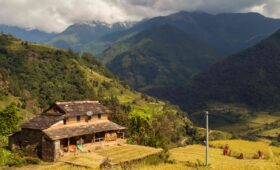
Nestled at 2,100 meters above sea level in Nepal’s Lamjung District, Ghalegaon emerges like a hidden jewel against the backdrop of the mighty Himalayas. This isn’t just another village—it’s a living testament to sustainable tourism and authentic cultural preservation that has earned recognition as Asia’s model tourism village. The crisp mountain air filled my lungs as I stepped off the winding mountain path that led me here. At the same time, panoramic views of Annapurna, Machhapuchare, and Manaslu peaks painted an unforgettable canvas across the horizon.
What drew me to this remote corner of Nepal wasn’t just the promise of breathtaking mountain vistas, but the opportunity to experience something increasingly rare in our modern world: genuine community-based tourism where every visit directly supports local families and preserves ancient Gurung traditions. After years of exploring tourist-heavy destinations, I craved an authentic cultural immersion. Ghalegaon promised that through its pioneering homestay program, it has been welcoming travelers for over two decades.
Journey to Ghalegaon
The adventure to Ghalegaon began with an early morning departure from Kathmandu, embarking on a 108-kilometer journey northwest that would take me through Nepal’s diverse landscapes. The road to Besisahar, the district headquarters, wound through terraced hills dotted with traditional villages, each curve revealing new vistas of rural Nepali life. Local buses packed with farmers heading to markets, children in school uniforms walking along dusty paths, and the gentle rhythm of agricultural life created a tapestry of authentic experiences that no guidebook could adequately capture.
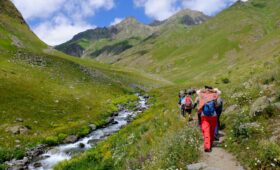
From Besisahar, the real adventure began—a four-hour trek that would climb steadily toward the ridge-top village. The trail meandered through rhododendron forests and past cascading waterfalls, with each step bringing me closer to the Annapurna range. There were a few fellow trekkers, making this journey feel like a personal pilgrimage rather than a tourist excursion. The path occasionally opened into clearings where I caught glimpses of snow-capped peaks piercing the azure sky, building anticipation for what lay ahead.
As I crested the final ridge, Ghalegaon revealed itself like a scene from a forgotten fairy tale. Traditional stone houses with slate roofs dotted the hillside, prayer flags fluttered in the mountain breeze, and traditional Gurung music drifted down from the village center. My first impression was harmonious coexistence—humans living in perfect balance with their natural environment, maintaining traditions while embracing responsible modernization.
The Cultural Heartbeat of the Village
The moment I entered Ghalegaun, the warmth of Gurung hospitality, passed down through generations, enveloped me. The villagers welcomed me with the traditional tika ceremony—a red mark applied to my forehead accompanied by marigold garlands—while the melodic sounds of the Gurung language filled the air. This wasn’t a performance for tourists but a genuine expression of their cultural values, emphasizing respect for guests and community harmony.
The Gurung people, descendants of the legendary Gurkha warriors, have maintained their distinct identity despite centuries of external influences. Their traditional dress—the colorful bhoto for men and the intricate gunyo cholo for women—tells stories of their heritage through every stitch and pattern. During my stay, I witnessed the daily rhythms of village life: elderly women spinning wool on traditional spindles, children learning ancient songs from their grandmothers, and men returning from terraced fields where they cultivate organic crops using methods unchanged for centuries.
Evenings in Ghalegaon come alive with cultural performances that serve as entertainment and artistic preservation. I was invited to participate in the Rodhi Ghar, a traditional gathering where young people share songs, stories, and dances. The Ghatu dance, with its intricate footwork and meaningful gestures, told stories of harvest celebrations and mountain spirits. What struck me most was how these weren’t tourist shows but living traditions—children learned these dances not for visitors but to carry forward their cultural identity.
The village’s spiritual life centers around the unique Koibo Dhin, a blue and white cultural center where Gurung priests perform traditional rituals. Here, I learned about their nature-worshipping beliefs that treasure streams, forests, and the rich mountain soil. The presence of statues representing Jhankri shamans and Bon spiritual leaders revealed the complex religious tapestry that shapes the Gurung worldview—a blend of Buddhism, Hinduism, and ancient animistic beliefs that create a profound respect for the natural world.
Homestay Experience & Local Cuisine
My homestay with the Ghale family transformed what could have been a simple accommodation into a profound cultural exchange. The Tourism Management Committee’s rotating system ensures that benefits are shared throughout the village’s 46 participating families. I was fortunate to stay with Amrit and Kamala Ghale, whose two-story stone house had welcomed travelers for over fifteen years.
The guest room was comfortable yet straightforward—clean bedding, traditional wooden furniture, and a window that framed the Annapurna massif like a living painting. But the real magic happened in the communal spaces where three generations of the Ghale family gathered each evening. Despite language barriers, we communicated through gestures, laughter, and the universal language of shared meals.
Gurung cuisine became my daily adventure in authentic flavors. Breakfast typically featured thick, sweet milk tea accompanied by sel roti—ring-shaped rice donuts that Kamala prepared fresh each morning on a traditional wood-fired stove. The aroma of cardamom and ginger created an intoxicating morning ritual I craved long after leaving the village.
Lunch and dinner showcased the village’s commitment to organic, locally-grown ingredients. Dal bhat, Nepal’s national dish, was elevated here through black lentils grown in nearby terraces and accompanied by fresh vegetables from the family garden. Gundruk, fermented leafy greens that provide essential nutrients during harsh winters, offered complex, tangy flavors that challenged my palate in the best possible way. The family’s homemade ghee, butter churned from the milk of their water buffalo, added richness to every dish.
What made these meals extraordinary wasn’t just the food and context—eating with hands from shared plates while listening to the grandfather’s stories about village history, or helping Kamala grind spices on a traditional stone quern. At the same time, learning Gurung cooking techniques passed down through generations.
Nature, Hiking & Mountain Views
Dawn in Ghalegaon is nothing short of magical. I awoke each morning to witness the sun’s first rays painting the Himalayan peaks in shades of gold and pink—a natural theater that no amount of photography could adequately capture. From the Ghalegaon viewpoint, nine magnificent peaks create a 360-degree panorama that includes Mount Machhapuchare (6,993m), Mount Annapurna (8,091m), and Mount Manaslu (8,163m).
My daily hikes became spiritual journeys through landscapes seamlessly blending natural beauty with cultural significance. The trail to Uttarkanya Temple, a twenty-minute walk from the village center, follows ancient pilgrimage routes where devotees have walked for centuries. The temple is unique, built around a natural spring that mysteriously flows north to south, defying geographical logic. Local beliefs hold that bathing in these waters brings spiritual purification, and I observed villagers making offerings of incense and flowers while releasing pigeons with prayers for world peace.
The surrounding hills offer endless opportunities for exploration. Bird watching enthusiasts can spot species among the 500 varieties found in the Annapurna Conservation Area, while photography enthusiasts find endless subjects in the interplay of mountain light and traditional architecture. During my afternoon walks through terraced fields, I encountered farmers harvesting barley and millet using conventional methods, their songs echoing across the valleys as they worked.
The view tower, constructed by the community as part of its tourism development, provides the perfect vantage point for sunset viewing. As daylight faded, the mountains transformed from golden sentinels to mysterious silhouettes against star-filled skies. The absence of light pollution revealed the Milky Way in stunning clarity—a reminder of how disconnected urban life has become from natural rhythms.
Evening nature walks revealed different aspects of village life. The communal areas came alive with children playing traditional games, elders sharing stories, and the gentle sounds of livestock settling for the night. These moments reinforced how tourism in Ghalegaon enhances rather than disrupts traditional life.
Community-Based Tourism & Sustainability
Ghalegaon’s tourism approach represents a sustainable development masterclass that other destinations worldwide could emulate. The village’s transformation from a struggling agricultural community to a thriving tourism destination began in 2001 when twelve families opened their homes to visitors. This initiative has grown to include 46 homestays while maintaining strict standards that preserve cultural authenticity and environmental integrity.
The Tourism Management Committee is the village’s democratic governing body for tourism activities, ensuring that benefits are distributed equitably throughout the community. Their rotating system prevents any single family from monopolizing tourism income while maintaining quality standards across all accommodations. This approach has generated substantial economic benefits—over 200 domestic tourists visit daily during peak seasons, providing direct income to families while creating demand for locally produced goods and services.
What impressed me most was the village’s commitment to preserving its cultural identity while embracing tourism. Revenue from homestays has funded the construction of the SAARC Village Tourism Museum, inaugurated by Nepal’s President in 2017. The museum serves as both an educational resource for visitors and a repository of Gurung cultural artifacts. Its exhibits showcase traditional clothing, agricultural tools, and religious objects that might otherwise be lost to modernization.
Environmental sustainability is woven into every aspect of village life. Organic farming practices, traditional architecture using local materials, and waste management systems that minimize ecological impact demonstrate how tourism can support rather than degrade local ecosystems. The village’s commitment to maintaining its tea gardens and practicing traditional animal husbandry provides visitors with authentic experiences while preserving agricultural biodiversity.
The economic impact extends beyond direct tourism revenue. Young people who might otherwise migrate to cities for employment now have opportunities to work as guides, cultural performers, or hospitality providers within their community. This has strengthened family structures and ensured the continuation of traditional knowledge systems that form the foundation of Gurung culture.
Personal Reflections & Cultural Insights
My week in Ghalegaon fundamentally changed my understanding of authentic travel. Far from being passive observers, visitors here become temporary community members, participating in daily life while learning about resilience, community cooperation, and sustainable living practices that urban dwellers have largely forgotten.
The most profound moment came during a conversation with 78-year-old Pemba Ghale, a village elder who shared stories of Ghalegaon’s transformation. Through my homestay family’s translation, he described the village’s struggles during the 1990s when young people emigrated for work, leaving behind an aging population and declining traditional practices. The decision to embrace tourism wasn’t just economic but cultural survival, providing incentives for young Gurungs to remain in their ancestral home while maintaining traditional lifestyles.
During my visit, participating in the harvest festival revealed the deep spiritual connection between the Gurung people and their environment. As villagers gathered to celebrate the barley harvest, their songs and dances weren’t mere entertainment but expressions of gratitude to mountain spirits and natural forces that sustain life. This integration of spiritual practice with agricultural cycles demonstrated a worldview that sees humans as part of nature rather than separate from it.
The children of Ghalegaon particularly captured my heart. Despite limited access to modern amenities, they exhibited creativity, curiosity, and contentment that contrasted sharply with the anxiety-driven childhoods common in developed countries. Watching them seamlessly switch between traditional games and helping with household chores while maintaining infectious enthusiasm for learning revealed the benefits of community-based upbringing.
Perhaps most significantly, I witnessed how tourism, when appropriately managed, can strengthen rather than erode cultural identity. The presence of visitors created opportunities for cultural exchange that enriched guests and hosts, while providing economic incentives for preserving traditional practices that might otherwise disappear under pressure from globalization.
Practical Tips for Travelers
Planning a visit to Ghalegaon requires preparation, but the rewards far exceed the effort involved. The best time to visit is October through December and March through May, when clear skies provide optimal mountain views and comfortable temperatures for hiking. Winter months offer fewer crowds but colder conditions, while the monsoon season (June-September) brings rain that can complicate transportation.
Transportation to Ghalegaon involves flying to Kathmandu, then taking a bus or private vehicle to Besisahar (6-8 hours, depending on road conditions). From Besisahar, the four-hour trek to Ghalegaon requires moderate fitness levels but doesn’t demand technical climbing skills. Hiring a local porter or guide through the Tourism Management Committee supports the local economy while ensuring safe navigation.
Packing should emphasize practical comfort over fashion. Essential items include warm layers for evening temperatures, comfortable hiking boots, rain gear, and a sleeping bag if staying during colder months. A basic first aid kit, water purification tablets, and a headlamp are essential. Cultural sensitivity requires modest clothing that covers shoulders and knees, particularly when visiting religious sites.
Homestays should be booked through the Tourism Management Committee office at the bus park rather than individual families, ensuring a fair distribution of guests and standardized pricing. Payment includes accommodation, three meals daily, and cultural programs. Booking isn’t typically necessary during off-peak periods, but popular times may require reservations.
Cultural etiquette emphasizes respect for local customs and religious practices. Removing shoes before entering homes, graciously accepting food and drink offerings, and asking permission before photographing people demonstrate cultural sensitivity. Learning basic Nepali greetings creates positive interactions, while participating in cultural activities when invited shows genuine interest in local traditions.
Significant Experiences That Define Ghalegaon
Beyond the well-trodden paths of mainstream tourism lies Ghalegaon’s treasure trove of authentic experiences that linger in memory long after departure. One cannot honestly claim to have absorbed this village’s essence without participating in the Ghatu dance rituals, where swirling woolen costumes and rhythmic footwork recount ancestral stories of harvests and heroism. Often organized spontaneously in village squares rather than staged theaters, these performances invite visitors to join the circle—a rare opportunity to move beyond observation into active cultural participation.
The honey hunting traditions preserved in nearby Ghanpokhara – a village near Ghalegaon offer adrenaline-fueled insights into Gurung resourcefulness. Between September and November, skilled climbers scale sheer cliffs using nothing but rope ladders woven from forest vines, harvesting wild honeycombs while chanting prayers to appease mountain spirits. Visitors can witness this ancient practice—now recognized by UNESCO as intangible cultural heritage—and sample honey infused with medicinal herbs, its complex flavors reflecting the biodiversity of Annapurna’s foothills.
The Uttarkanya Temple presents a hydrological marvel for contemplative travelers where water defies gravity by flowing northward. Participating in the predawn Poush festival here—bathing in sacred springs while villagers release pigeons bearing peace prayers—reveals the profound spiritual symbiosis between the Gurung people and their environment. Nearby, the SAARC Village Model Museum provides context through displays of ancestral tools, ceremonial masks, and handwoven textiles, each artifact accompanied by elders’ oral histories of Ghalegaon that no placard could replicate.
Adventure seekers find rhythm on the Khudi-Ghalegaon trekking route, where rhododendron forests give way to panoramic Annapurna II and Machhapuchhare vistas. Morning hikes to Ghale Park’s viewpoint reward early risers with sunrise spectacles—the first golden rays igniting snowfields like celestial matchsticks—while evening returns might intersect with shepherds guiding flocks through communal grazing lands.
Perhaps most transformative is sharing a millet beer with homestay hosts during Rodhi Ghar gatherings. These informal evenings, where generations swap stories by firelight, dissolve cultural barriers through laughter and the universal language of human connection—a reminder that Ghalegaon’s greatest attraction isn’t its landscapes or traditions, but the open-hearted community keeping them alive.
Closing Thoughts
As I descended the mountain path for the final time, leaving Ghalegaon’s terraced hillsides behind, I carried more than photographs and souvenirs. This village of Ghalegaon showed me that authentic travel isn’t about conquering destinations or collecting experiences—it’s about creating genuine connections that enrich visitors and hosts while preserving the cultural and natural heritage that makes places like Ghalegaon irreplaceable.
Ghalegaon represents hope for sustainable tourism in an era when overtourism threatens many of the world’s most beautiful places. Their model proves that communities can embrace visitors while maintaining their cultural identity, generate economic benefits while preserving environmental integrity, and create meaningful exchanges that transcend language and cultural barriers.
For travelers seeking experiences that matter—that contribute positively to the places they visit while providing profound personal enrichment—Ghalegaon offers a blueprint for the future of travel. In this mountain village where ancient traditions meet thoughtful modernization, I discovered that the most transformative journeys aren’t about reaching distant peaks but finding common humanity in the most unexpected places.