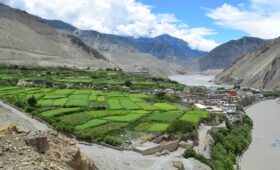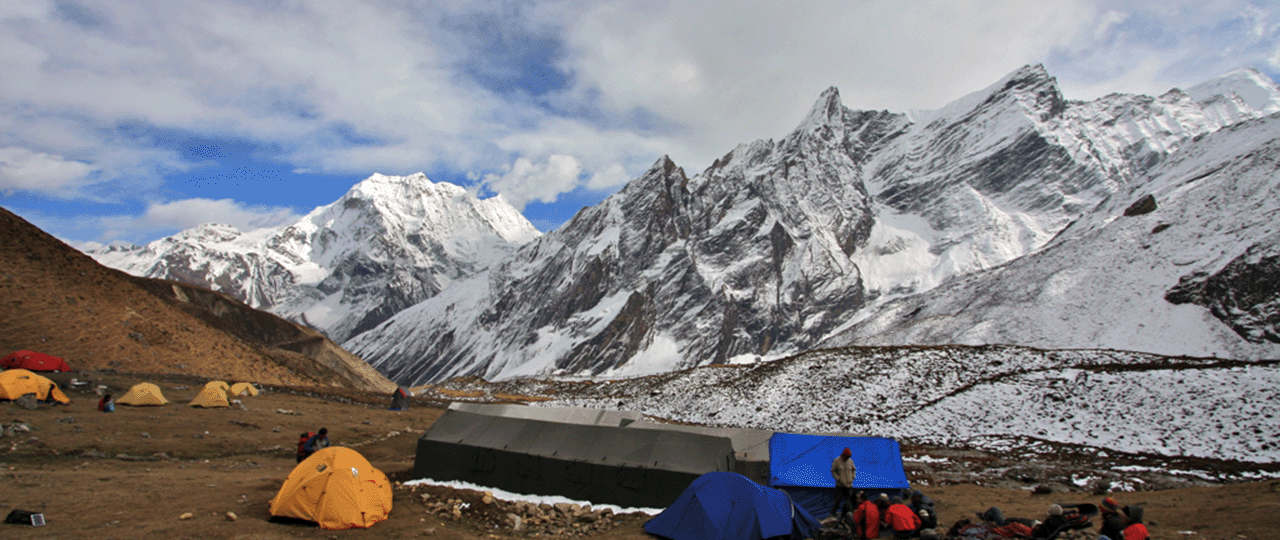
Tsum Valley Trek is an off-the-beaten-path trek that takes you through the beautiful and remote Tsum Valley in the northern part of the Gorkha district in Nepal. This trek offers a unique opportunity to explore the traditional Tibetan culture and lifestyle, breathtaking scenery, and high-altitude Himalayan landscapes.
Surrounded by stunning mountains, like Ganesh Himal and Sringi Himal, Tsum Valley is a hidden treasure in Nepal. The valley is rich in Buddhist culture and history, with several monasteries and ancient chortens dotting the landscape. The local people of Tsum Valley are of Tibetan origin and follow the Nyingmapa sect of Buddhism, which is believed to be the oldest form of Tibetan Buddhism.
Tsum Valley is a challenging trek adventure that involves steep climbs, rugged terrain, and high altitude. However, it’s worth the effort, as you’ll discover the remote villages and forests that dot the landscape. Here, you can immerse yourself in the traditional lifestyle and culture of the friendly locals. Along the way, you’ll also have the opportunity to explore several ancient monasteries and gompas, some of which are said to be over a thousand years old.

Tsum Valley trek begins from Arughat in the Gorkha district and takes around 19 days. The first few days of the trek take you through lush green forests and rice terraces, with occasional glimpses of the majestic mountain peaks. You will also visit the Manaslu Conservation Area, home to many plant and animal species, many of which are endemic to the region. This makes it a popular destination for nature lovers and wildlife enthusiasts. The region is home to over 1,500 species of plants, including some rare and endangered species. The forest cover here includes rhododendrons, oaks, maples, pines, and many other species of trees. These forests also harbor many medicinal plants, which local communities have used for centuries. Animals like Snow leopards, Himalayan black bears, red pandas, musk deer, and Himalayan tahr are just a few examples of the species found there. You might also spot rare and exotic bird species like the Himalayan monal, pheasants, eagles, and vultures.
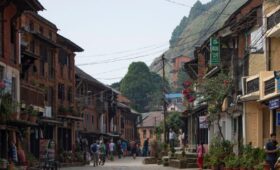
As you progress deeper into the Tsum Valley, you will encounter several small and remote villages where the local people still follow traditional ways of life. You will witness the locals’ unique culture and lifestyle up close.
Gompas and Folklores
The main highlight of the Tsum Valley Trek is the ancient Mu Gompa, which is located at an altitude of 3,700 meters. The monastery is steeped in myth and legend and is considered a sacred site for Tibetan Buddhism.
According to local folklore, Mu Gompa was founded by Guru Rinpoche, a Buddhist master credited with bringing Buddhism to Tibet. The locals believe that Guru Rinpoche came to the Tsum Valley around the 8th century and established the monastery as a sacred site for meditation and study.
Another popular myth associated with the Gompa is the legend of the Yeti. It is believed that the Yeti, a tall mythical creature said to inhabits the Himalayan region. According to the legend, the Yeti is a protector of the monastery and is said to appear to those who are pure of heart and seek spiritual enlightenment.
You will witness the daily rituals and ceremonies of the monks who live and study at the monastery.
The Tsum Valley Trek is an off-the-beaten-path adventure that will take you through some of Nepal’s most remote and challenging terrain. Due to the high altitude and steep climbs, you must have a good fitness level and be adequately acclimatized before embarking on the journey. It’s also recommended that you undertake this trek with an experienced guide or a trekking company that can provide the necessary equipment, support, and guidance throughout the journey.
An experienced guide can help you navigate the challenging terrain while providing valuable insights into the local culture and history. They can also ensure that you stay safe and healthy by monitoring your health and advising you on how to acclimatize properly to the altitude. Additionally, a trekking company can provide you with all the necessary equipment, such as tents, sleeping bags, and cooking supplies, so you can travel lightly and focus on enjoying the journey.
Necessary Permits to Enter Tsum Valley
Another thing you need to complete the Tsum Valley Trek is permits. You must obtain a TIMS card and a Restricted Area Permit (RAP). The RAP can only be obtained through a registered trekking agency and requires an application form, passport copy, visa copy, and two passport-sized photographs.
Firstly, you must obtain a TIMS (Trekkers’ Information Management System) card. This is a compulsory permit that all trekkers must get before embarking on any trekking adventure in Nepal. The TIMS card costs around $20 and is available through the Nepal Tourism Board and authorized trekking agencies.
In addition to the TIMS card, you’ll also have a Restricted Area Permit (RAP) to enter the Tsum Valley region. The RAP is required because the Tsum Valley is considered a restricted area due to its remote location and the preservation of its unique culture and heritage. The cost of the RAP varies depending on the season, with the peak season (September to November) being more expensive than the low season (December to August). As of 2021, the cost of the RAP is around $40 per person per week, with an additional $7 per day for each extra week.
To obtain the RAP, you must apply form and a copy of your passport, visa, and two passport-sized photographs. You can apply for the RAP through an authorized trekking agency. The process usually takes around 3-4 business days to complete.
It’s important to note that you cannot obtain the RAP independently. You must travel with a registered trekking agency that has obtained the necessary permits on your behalf. The trekking agency will also provide you with an experienced guide who will lead you through the Tsum Valley region, ensuring your safety and providing valuable insights into the local culture and history.
Cuisines
One of the most popular dishes in Tsum Valley is dal bhat, a staple in Nepalese cuisine. It consists of rice and lentil soup, with different local dishes such as vegetables, curried meat, and pickles. This tasty dish provides the necessary carbohydrates and proteins for a long trek.
Another must-try dish in Tsum Valley is momos, steamed dumplings filled with meat or vegetables. They’re a popular snack in most tea houses along the trekking trail. You can also try thukpa, a hearty soup made with vegetables, noodles, and meat, or tofu, perfect for warming up on chilly mountain evenings.
For those with a sweet tooth, Tsum Valley offers a variety of desserts, such as sel roti, a sweet fried bread made with rice flour, and khapse, a deep-fried cookie made with wheat flour and sugar. These treats are often served during festivals and celebrations, and you may be lucky enough to try them during your trek.
Finally, try the local tea, butter tea, a unique blend of tea leaves, yak butter, salt, and milk. It’s a popular drink in the Himalayan region and is said to provide energy and warmth during cold weather.
The colors and Festivals
Tsum Valley in Nepal has a vibrant range of yearly cultural festivals. These festivals offer a unique insight into the local customs and traditions. They are a great way to immerse yourself in the local culture.
One of the most popular festivals in Tsum Valley is the Lhosar festival, celebrated by the local Tibetan community in February or March. This festival marks the Tibetan New Year and is celebrated with music, dancing, and feasting. During this festival, you can witness colorful parades and traditional dress and enjoy dishes like momos and butter tea.
Another significant festival is the Dhachyang festival, which is celebrated in October. This festival is a celebration of the harvest season and involves offerings of food and drinks to the local deities. You can witness the locals in their traditional attire dancing and singing to the beat of drums and cymbals during this festival.
Another important festival celebrated in Tsum Valley is the Saga Dawa festival, which takes place in May or June. This festival marks the birth, enlightenment, and death of Buddha. It is celebrated with prayers and offerings at monasteries and temples. During this festival, you can witness traditional mask dances, music, and chanting.
Other festivals celebrated in Tsum Valley include the Mani Rimdu festival, which takes place in November, and the Dumji festival, which is celebrated in July. Both celebrations involve traditional dances, music, and offerings to local deities.
Which is the best time to visit Manaslu Tsum Valley? Let’s take a look:
The best time to do the Tsum Valley Trek is from March to May and September to November. During these months, the weather is pleasant, and the crystal clear skies offer stunning views of the surrounding mountains. The temperature is also mild, making it perfect for trekking.
During the spring (March to May), the region comes alive with colorful flowers blooming, making it a great time to witness the natural beauty of the Tsum Valley. The rhododendrons, in particular, are a sight to behold; you can see them in full bloom all over the valley.
The fall season (September to November) is also an excellent time to do the Tsum Valley Trek. The monsoon season will have just ended, leaving the landscapes green, lush, and clear skies. The temperature is mild during the day, and the nights are more relaxed, making it perfect for trekking.
It’s important to note that the Tsum Valley Trek is not recommended during the winter (December to February) as the region experiences heavy snowfall, making it challenging to navigate the trails. Similarly, during the monsoon season (June to August), the area experiences heavy rainfall, making the trails muddy and slippery.
In conclusion, if you plan to do the Tsum Valley Trek, the best time to visit is spring (March to May) and fall (September to November). During these months, you’ll witness the region’s stunning natural beauty and enjoy pleasant trekking conditions.
Things to carry with you during Manaslu Tsum Valley Trek
Clothing: It is important to carry appropriate clothing based on the season and weather conditions during your Manaslu Tsum Valley Trek. You should generally have warm layers for the evenings and early mornings, including a down jacket, thermal underwear, and fleece jackets. You should also pack lightweight and breathable clothing for the daytime, such as trekking pants and t-shirts.
Footwear: Proper footwear is essential for a trek in Tsum Valley. It would be best to carry comfortable and sturdy trekking shoes with good ankle support to help you navigate the rough terrain. Wearing sandals or flip-flops in the evenings is also a good idea.
Backpack: A good quality backpack with around 40 to 50 liters is essential to carry your gear and equipment during the Manaslu Tsum Valley Trek. Look for a backpack with comfortable shoulder straps and a hip belt for better weight distribution.
Sleeping bag: A good quality sleeping bag with a rating of around -10°C to -15°C is essential for staying warm and comfortable at night.
Trekking poles: Trekking poles can be very helpful for maintaining balance and stability on the steep and rocky terrain of Tsum Valley.
Water bottle: Staying hydrated during the trek is important, so carrying a reusable water bottle or hydration system is essential.
First aid kit: The essentials such as band-aids, antiseptic cream, painkillers, and insect repellent should be carried.
Sun protection: Carrying sunglasses, a hat, and sunscreen with high SPF is important to protect yourself from the harsh sunlight at high altitudes.
Personal hygiene items: Carrying wet wipes, toilet paper, and hand sanitizer is important to maintain personal hygiene during the Manaslu Tsum Valley Trek.
Cash and documents: Finally, you should carry enough money in local currency and essential documents such as your passport and permits in a waterproof pouch.
The Tsum Valley Trek is a unique and unforgettable experience that offers a rare glimpse into the traditional Tibetan culture and lifestyle. It is a challenging trek, but the stunning scenery, ancient monasteries, and warm hospitality of the locals make it a truly rewarding experience. If you are looking for an off-the-beaten-path trek in Nepal, the Tsum Valley Trek should be on your list.