Journey to Everest base camp is one of the most adventurous treks in the world. People often call the trail to Base Camp “steps to heaven.” Trekking to Everest base camp will allow you to experience the beauty of natural and cultural diversity through fascinating landscapes, Sherpa villages dotted around vast expanses, monolithic glaciers, and so on. The journey through majestic mountain ranges and passing through friendly Sherpa villages and breathtaking natural landscapes will create a long-lasting memory.

Mount Everest Base Camp is reflected on both north and south sides of Mt. Everest; south side is on Nepal side, and north side is on Tibet / China side. The southern side of Mt Everest Base Camp (Nepal) has an elevation of 5364 m and is one of Nepal’s most popular trekking routes. The northern side of Mount Everest Base Camp (Tibet, China) has an elevation of 5150 m and is less popular as it requires permission and review from the Chinese government.
In the history of Mt. Everest, in the 1920s, climbing Mount Everest was started by George Mallory and his team. He developed the routes to the Northern part of Everest (not a permanent base camp). Later, Edmund Hillary and Tenzing Norgay successfully conquered the expedition. The journey to Everest made them realize the importance of having a base to store suppliers instead of trekking the whole length of the Khumbu valley to take gear. Consequently, the mt Everest Base Camp on the Nepal side was born.
Why trekking to the Everest Base Camp?
Trekking to Everest Base Camp contains surprising, thrilling, stirring, and astonishing elements that will blow up your mind. Most importantly, it will lead you to the World’s highest and most renowned mountain, Everest. Even if you can’t submit it, being at the highest mountain’s base can be an achievement too. It will bring you enormous joy and can be a lifetime memory. You will also get to explore the culture, tradition, and lifestyle of Sherpa communities inhabiting this region. Trekkers also get a chance to learn the way of life philosophy of the toughest and kindest people in the world.
The significant highlights of ebc trek are pointed out below:
- Get a chance to experience the grandeur of visiting the base of the World’s highest mountain, Mt. Everest.
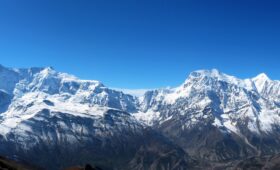
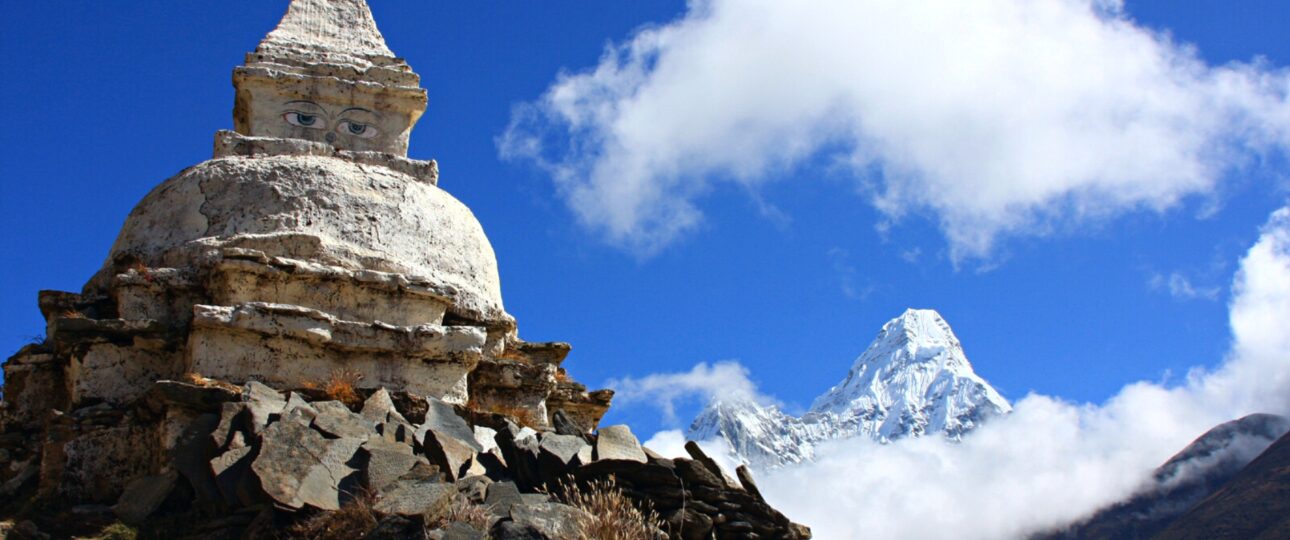
- Get a glimpse of the stunning Himalayas, including Mt. Ama Dablam, Mt. Nuptse, Mt. Lhotse, Mt. Lobuche, and so on.
- Learn how people in the Himalayas region are making their livelihood on a higher elevation at a much harsher environment
- Everest region, being home to Sagarmatha National Park (UNESCO world heritage site), you can find a vast assortment of flora and fauna, including barley, potatoes, pine, firs, juniper, rhododendron, Snow Leopard, Musk deer, Himalayan black bear, and so on.
- Get a chance to see the majestic sunset over the Himalayas from the Everest viewpoint in Kalapatthar
- Fly in a well-known regional airport in the World known as Tenzing-Hillary Airport, where the whole flight will offer you the scenic view
- Get a chance to stay in the Namche Bazaar (a trendy place in Nepal)
- Visit Khumbu glacier (World’s highest glacier) and Khumbu Lake.
- Get a chance to walk in the footsteps of same trail as so many glorious mountain climbers such as Sir Edmund Hillary and Tenzing Norgay Sherpa.
- Cross the Hillary suspension bridge, highest suspension bridge in Nepal
- Get a taste of the authentic food of the Himalaya region, which includes Dal Bhat and Tibetan Tea.
- Visit Tengboche monastery, the most famous and largest Buddhist monastery in the Himalayas.
The great thing about Everest Base Camp trekking is that even if you are fatigued trekking, the landscape and views beside you will bring down some of your exhaustion. The view will compensate for your difficulties and challenges on the trek. Every moment of difficulty and pain will be worth it. Everest Base Camp trekking adhered to the adage ‘No Pain No Gain,’ and on this trek, gain is sure to far outweigh the pain.
How difficulty is the Everest Base Camp trek?
Everest Base Camp Trek is not as difficulty as we think. We made special trekking itineraries to minimize Everest Base Camp trek difficulty. It is challenging to start from 2850 m altitude (Lukla) to 5364 m altitude. But you won’t require any particular mountaineering skills, heavy gear, or equipment. You will only need a bit of stamina and willpower to reach Mount Everest base camp. You need to stay very healthy to complete this trek. There is less oxygen at higher altitudes, so to avoid risks, you need to acclimatize correctly to adjust to the environment. Remember to drink plenty of water to cope with acute mountain sickness (AMS).
Since the Everest region is remote, finding luxury or even modern amenities on this trek can be difficulty. You have to make adjustments from food to accommodation. The trails in Everest region are pretty rocky in some areas making it hard to traverse. The significant difficulty of Everest base camp is passing through Khumbu Glacier, which is prone to landslides and icefalls.
Frequent flight cancellations or delays may happen due to unpredictable weather at Lukla is another difficulty of this trek. Especially during monsoons and winter is occurred. Because the trekker will allocate extra days and budget to stay and wait for the next flight, but sometimes regular flights and charter flights would not resume for many days, the trekker will lose their time and money too. Trekkers on this route must arrange a flexible schedule to accommodate such occurrences, especially when traveling during the off-season.
If you want to know if Everest base camp trek is suitable for you or not as per your physical condition. Please read our article Is Everest Base camp Trek right for me
What is the best time to go to Everest Base Camp?
Weather plays a vital role in making your trip hassle-free and memorable. Trekking can be done in any season or month, but choosing the best time to go to Mount Everest base camp makes it easier to trek in difficult terrain like Himalayas.
Frequent flight cancellations or delays may happen due to unpredictable weather at Lukla is another difficulty of this trek. Especially during monsoons and winter is occurred. Because the trekker will allocate extra days and budget to stay and wait for the next flight, but sometimes regular flights and charter flights would not resume for many days, the trekker will lose their time and money too. Trekkers on this route must arrange a flexible schedule to accommodate such occurrences, especially when traveling during the off-season.
If you want to know if Everest base camp trek is suitable for you or not as per your physical condition. Please read our article Is Everest Base camp Trek right for me
What is the best time to go to Everest Base Camp?
Weather plays a vital role in making your trip hassle-free and memorable. Trekking can be done in any season or month, but choosing the best time to go to Mount Everest base camp makes it easier to trek in difficult terrain like Himalayas.
Many people prefer spring (March-May) or fall (October-November) as the best time to go to Everest Base Camp trekking and other Himalayan treks. It is the best time for trekking in Nepal. The weather condition in these seasons is very favorable. You can see crystal clear views of different Himalayan ranges from different locations. The constant company of splendid views and moderate climate will also help you keep on this difficult trek. Good mountain weather will also result in excellent photos and videos, helping you capture the best memories and experiences.
Winter (December-February) and Monsoon (June-September) are certainly considered off-season. Mt Everest base camp trekking can still be done during off-seasons, but it can be quite disadvantageous. The weather condition in winter can get exceptionally cold, making it hard to continue the trek. The trails will also get covered with snow in the winter season, so you have to walk carefully to not slip on the way or to avoid other accidents. Finding tea houses or lodges is also quite challenging, as they are mostly closed in the off-season.
During the monsoons, you can experience frequent rainfall making trails wet and slippery. And the occurrence of landslides is also relatively high in this season. You may also encounter many leeches on the way. But on flip side, overcoming these challenges will help to create a unique memory of adventure, struggle, and conquest, which might appeal to the more daring and adventurous trekkers.
Like everything in life, there are both good and bad sides to trekking to mt Everest Base Camp in the off-season. If you go on a trek in peak season, you will get amazing best views and complete the trek more easily, but at the same time, trails can be overly crowded. There is also a possibility of not getting the room or getting a room even at a higher price. You might even have to sleep on the dining table or the floor during peak season. But if you go on in the off-season, crowd on the trails will be significantly less. You might even find rooms at a lower price, but the weather conditions can be pretty challenging, ruining your trek. So, it depends on you choosing which season to pick for your trek to Everest Base Camp.
Suppose you want to go up directly to the Everest Base Camp without spending the previous 10-12 days on the trek. In that case, a helicopter or heli tour is also possible. Helicopter tour is the latest trend growing rapidly and is suitable mainly for those travelers limited by time or physically unfit. Everest heli tours can be done in any season except monsoon due to adverse windy and rainy conditions. A helicopter tour is the easiest way to soak up the Himalayan landscape and travel to the base camp, but it comes with a hefty price tag.
What kind of accommodation is available on the trek to Everest Base Camp?
Suppose you are planning to ebc trek and are worried about where to stay during the trekking. In that case, many accommodation facilities are available at different stop-over points on the trail. Accommodation during ebc trek is one of the primary concerns of every trekker, especially when you are going on a trek for more than ten days. You need a place to stay if you are going for a trek at a higher elevation (Everest Base Camp), whether a tent or a lodge. With Everest Base Camp being a popular place for trekking, there are plenty of teahouses and lodges to stay in. So you don’t have to worry much about where to stay the night on your trek to Everest Base Camp. Many options are available to stay in the Everest region, some of which are discussed below.
Lodges and tea houses: Very basic accommodation with small rooms on a twin or triple-sharing basis, and even larger dormitories are available, which are operated by locals in this region. These tea houses or lodges are mostly built out of locally available materials like stone, wood, and mud are effective in keeping the inhabitants well insulated from the climate.
These lodges and tea houses are cheap, ranging from 5$ per night to 15$ per night, and come with extra blankets to keep you warm and cozy. Amenities like wifi and charging are available but at extra cost. These lodges also have a common dining/living area with a fireplace where all the trekkers can gather for relaxation and entertainment after a tough day. You can only access the wifi and charging facilities in this main area.
Camping: Camping accommodation is mainly preferred by hardcore adventure seekers and expedition teams gearing up for a mountain summit. If you want to spend night in a tent outdoors and are well prepared for it, you can also rent a tent from a nearby lodge/tea house.
What kind of food is available on the trek to Everest Base Camp?
Trekking to Everest Base Camp requires plenty of stamina and moderate fitness. Every day’s trek means passing through tough terrain at ever higher altitudes. With the proper meal, it will be easier to continue along trek. And on your trek to Everest Base Camp, you don’t have to worry much regarding proper meals. Sherpas mainly inhabit Everest region and are well-known for making delicious and healthy food. The most popular and common meals served to travelers on the way to EBC trek are as follows.
- Dal Bhat: Dal Bhat is a traditional food of Nepalese people and most common food preferred by trekkers in the Himalayas. Generally, Dal Bhat is a lentil soup served with steamed rice, which contains lots of nutrition. The food costs little, and if you aren’t full with the amount they have served, you can ask for more rice once you have finished the amount they have served.
- Sherpa Stew (Shyakpa): Shyakpa is a delicious Sherpa cuisine with a stew containing crusty leafy veggies, fresh thick meat, and soft dough strips blended. It is also a homemade noodle that can be round and thick or cut flat into squares.
- Egg and Fries: Who wouldn’t love a combo of eggs and fries? It is a delicious option and quick to get whenever you are hungry. It includes delicious fried potatoes and a double-egg omelet.
- The classic from back home: Isn’t it surprising for you to know that Pizzas are available in the Everest region too? Yes, it is. But it is also the reality. Many places along the trek provide popular meals to cater to tastes of tourists and travelers.
What permits do I need for the trekking to Everest Base Camp?
Nepal is gifted with so many natural beauties and resources by nature. Like every other nation, nature gifted resources, and everything that belongs to our country is our treasure. Hence, we must preserve it from getting damaged and stop it from becoming extinct. Government of Nepal has designed specific rules and regulations. Likewise, in the Everest region lies the World’s highest mountain (Mt. Everest), Sagarmatha National park (UNESCO world heritage site), and many other mountain ranges.
Everest is a famous trekking region where thousands of trekkers and hikers visit yearly to enjoy the beautiful landscapes, mountain ranges, and views. Therefore, the government has imposed trekking permits and National park entrance fees to get to the Everest region. The permits are charged to ensure that the beauty, views, and landscapes stay as it is forever for Nepal’s future trekkers and generations. Besides that, the government also spends entry fees or royalty on maintaining the trekking trail and conducting different cleaning campaigns. And also contribute to the local community through the development of infrastructure to make their lively hood easy in Himalayan region and tourist-related activities too.
Permits needed for the Everest Base Camp trek are as follows:
- Sagarmatha National Park Entry Permit
- Khumbu Pasang Lhamu rural municipality entrance permit
Should I hire a guide and porter on my trek to Everest Base Camp?
Hiring a guide and porter is totally up to you. Suppose you are familiar with all the routes and know every detail of Everest region. In that case, you can do Everest Base Camp trekking. And porter is also optional as long as you only take some essentials with you.
But taking one professional guide with you is always safe because you never know what will happen on the trek. Even though you know all the routes to Everest Base Camp, if some natural calamities and other factors have disturbed trails, you will need to be more knowledgeable. But if you have a guide with you, they will help you go through it as guides are familiar with every corner of the trails.
Trekking at higher altitudes always has a risk. For example, there is always a higher chance of getting altitude sickness and many other health problems. Risks like this can be avoided as long as you are with a professional guide. Guides are familiar with the symptoms and will help you rest if you have any. They will also guide you through the acclimatization process. Communicating with locals alone is very hard. Knowing their culture, tradition, rituals, and folklore is far from challenging. But as long as you are with a guide, they will help you by translating everything the locals say. They will also add some facts and details of what they know. Your guide will also help you to get the best food and other services as they are well-familiar with all the excellent service providers. And most importantly, you will never get fraud as long as you are with the guide.
Trekking on a higher elevation is very challenging. You can’t even control your body at a certain point; let it be a backpack you take. The trek will be less fun if you focus more on pain than enjoying the beauties around it, so taking a porter with you is always best. He will carry all your belongings with you. He will also entertain you and give you company if you travel solo. Some porters even work as a guide, so finding a porter who can guide you will be a plus point.
What to pack for the trek to Everest Base Camp?
Packing is a concerning part for every traveler. Packing the right thing for your trip can save your whole trip, so always make sure you are packing the right thing. Make a list of every essential you will need for your trip to Mount Everest base camp and start preparing as early as possible because it will take some time to buy and pack all the essentials. Some of the gear and equipment can also be rented for trekking, so instead of spending your money on something you will not use forever, it is better to rent it. And we suggest that every trekker reduce their weight load as much as possible and only carry essential items because if you pack unnecessary items for the everest trek, it will make you more hassle during your trip. Due to your care lase about that your entire trip will not enjoyable or disturbed because we walk around 5 to 6 hour in a day. And it may be more difficult for you.
Some of the essentials list to pack for your Everest Base Camp trek are listed below:
- Wind and Waterproof Jacket
- Down Jacket
- Scarf and Gloves
- Thermal Innerwear
- Trekking boots and Shoes
- Water Bottle
- Duffel bags
- Torch
- Sleeping bag or backpack
- Sun Glasses
- Sun Blocks
- Toiletries
- First Aid Kit
- Water Purifier
- Personal Medicines
- Protein bars and Chocolates
Why should I choose a trekking operator for the Everest Base Camp?
Choosing the right trekking operator for Everest Base Camp is crucial for a safe and memorable trek. Choose the trekking operator who will match almost all your expectations. If you book your trekking through a reliable trekking operator, your trek will be hassle-free, and most of your hurdles will be clear. Most importantly, trekking operators offer you the best security and services. Trekking operators will be aware of all the risks and help you avoid them. Locals are very sensitive to their values, social customs, and tradition. So to avoid any conflicts and controversies trekking operator will give you valuable insights into locals’ customs and traditions. You may also get an opportunity to trek in restricted areas with the help of trekking operators. Getting the permits to trek at Everest Base Camp is difficult. But with the trekking operator, you can go through many processes and hassles. It will help to save you time too. Lastly, when you book your trek through a trekking operator, you will get the finest consultation from the experts.