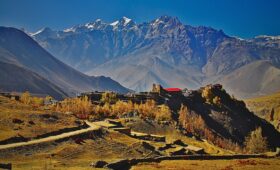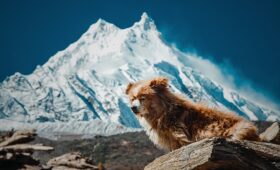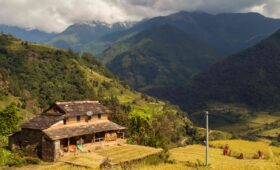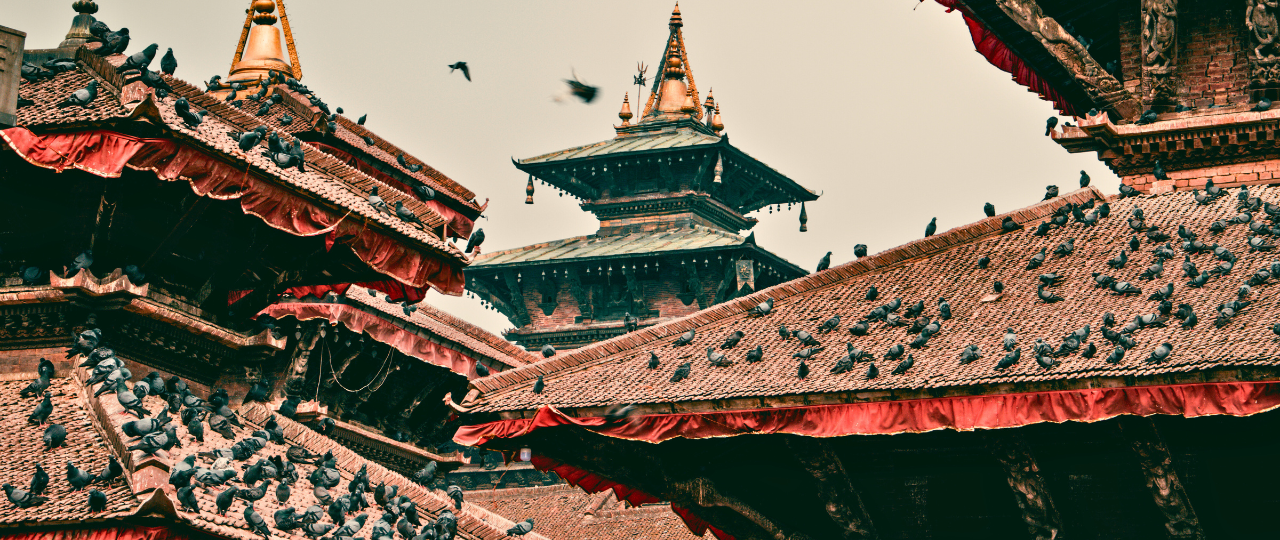
Nepal is a land of contrasts—a country where ancient traditions thrive amidst breathtaking natural beauty. From the bustling streets of Kathmandu to the tranquil lakes of Pokhara, the wildlife-rich jungles of Chitwan, and the spiritual serenity of Lumbini, this Himalayan nation offers an unforgettable experience for travelers seeking adventure, culture, and spirituality.
This guide will take you through these four iconic destinations—Kathmandu, Pokhara, Chitwan, and Lumbini—offering practical tips, personal anecdotes, and insights to help you plan your perfect Nepal tour.
Introduction to Nepal’s Beauty
Nepal is often described as a traveler’s paradise. Its diverse landscapes range from towering snow-capped peaks to lush jungles with wildlife. The country is steeped in history and spirituality, making it a unique destination that appeals to adventurers, culture enthusiasts, and pilgrims alike.
Why Visit Kathmandu, Pokhara, Chitwan, and Lumbini?
These four destinations represent the best of Nepal:
Kathmandu is a vibrant city with UNESCO-listed sites showcasing Nepal’s rich history and culture.
Pokhara: Known for its serene lakes and adventurous activities like trekking and paragliding.
Chitwan: A wildlife haven where you can spot rhinos and tigers in their natural habitat.
Lumbini is Buddha’s birthplace and a spiritual retreat for those seeking peace and reflection.
These destinations create a well-rounded itinerary combining adventure, nature, culture, and spirituality.
Kathmandu: The Cultural Heart of Nepal

Kathmandu is where most travelers begin their journey in Nepal. The capital city is a chaotic yet charming blend of ancient temples, bustling markets, and vibrant streets filled with history at every turn.
Must-Visit Spots in Kathmandu
Durbar Square:
This UNESCO World Heritage Site is home to palaces, temples, and courtyards that reflect Kathmandu’s royal past. Don’t miss the Kumari Bahal (home of the Living Goddess) or the intricately carved wooden structures of the Kasthamandap Temple.
Tip: Visit in the early morning or late afternoon to avoid crowds and enjoy better photo lighting.
Swayambhunath Stupa (Monkey Temple):
Perched atop a hill overlooking Kathmandu Valley, this stupa offers panoramic city views. Watch monkeys roam freely while spinning prayer wheels alongside locals performing rituals.
Boudhanath Stupa:
One of the largest Buddhist stupas in the world, Boudhanath is surrounded by monasteries and shops selling Tibetan handicrafts. The peaceful atmosphere is ideal for meditation or simply soaking in the spiritual vibe.
Pashupatinath Temple:
A sacred Hindu temple dedicated to Lord Shiva is located on the banks of the Bagmati River. Witness cremation ceremonies at the ghats, a profound cultural experience that highlights Nepal’s spiritual traditions.
Personal Experiences in Kathmandu
Exploring Kathmandu felt like stepping into a living museum. I vividly remember wandering through Durbar Square during sunset when golden light illuminated its ancient structures—it was magical! At Boudhanath Stupa, I joined locals spinning prayer wheels while sipping butter tea at a rooftop cafe overlooking the stupa.
Practical Tips for Kathmandu
Transportation Options: Take taxis or local buses for short distances; walking is ideal for exploring Thamel or Durbar Square.
Best Time to Visit: October–November offers clear skies and pleasant weather for sightseeing.
Where to Stay: Thamel is popular with budget-friendly guesthouses and luxury hotels. You can choose a hotel based on your budget.
Pokhara: Adventure Meets Serenity
Pokhara is often referred to as Nepal’s adventure capital—rightly so! Surrounded by stunning Himalayan views and tranquil lakes, this city offers relaxation and adrenaline-pumping activities.
Top Attractions in Pokhara
Phewa Lake:
Rent a colorful boat and paddle across this serene lake while admiring reflections of Mount Machhapuchhre (Fishtail Mountain). Don’t forget to visit Tal Barahi Temple on an island in the lake!
Sarangkot Viewpoint:
Wake up early for a sunrise trek or drive to Sarangkot—you’ll be rewarded with breathtaking views of the Annapurna Range, bathed in golden hues.
World Peace Pagoda:
A short hike leads you to this hilltop stupa, which offers panoramic views of Pokhara Valley and Phewa Lake below.
Devi’s Falls & Gupteshwar Mahadev Cave:
Witness water disappearing into underground tunnels at Devi’s Falls before exploring nearby Gupteshwar Cave—a sacred site with stalactites resembling Shiva Lingam.
Adventure Activities in Pokhara
Paragliding Over Phewa Lake: Soar above lush landscapes with Himalayan peaks as your backdrop—a bucket-list experience!
Rafting on Seti River: Navigate gentle rapids surrounded by scenic gorges—perfect for beginners seeking soft adventure.
Personal Experiences in Pokhara
Paragliding was undoubtedly one of my favorite experiences in Pokhara—the thrill of flying over Phewa Lake while gazing at snow-capped peaks was unforgettable! Evenings were spent relaxing at lakeside cafes like Moondance Restaurant while enjoying live music performances.
Travel Tips for Pokhara
The Best Time to visit is September–November or March–May, when clear skies are ideal for outdoor activities like trekking or paragliding.
Dining Recommendations: Try local dishes like momo (dumplings) or international cuisine at cafes along Lakeside Road.
Where to Stay: Lakeside hotels offer stunning views combined with modern amenities.
Chitwan: A Wildlife Lovers’ Paradise
Chitwan National Park is Nepal’s premier destination for jungle safaris—rightly so! This UNESCO World Heritage Site allows travelers to encounter rare wildlife species, such as one-horned rhinos or Bengal tigers, amidst lush forests.
Activities in Chitwan National Park
Jungle Safari via Jeep or Elephant Ride:
Spotting Tips: During guided safaris led by experienced naturalists, look for rhinos grazing near watering holes or elusive tigers prowling through dense foliage.
Elephant Ride: This is a unique way to explore the jungle. However, ensure you choose eco-friendly operators that treat elephants ethically.
Canoe Ride Along Rapti River:
Experience: Gliding through calm waters provides opportunities to spot crocodiles basking on riverbanks and birds soaring overhead.
Tharu Cultural Show:
Highlight: Watch traditional dances like the stick dance and try local alcohol (raksi) at community-run lodges.
Personal Experiences in Chitwan
During a sunset safari, I spotted a rhino grazing near a watering hole—a moment of pure awe. Evening canoe rides on the Rapti River were equally magical, with the golden light of dusk reflecting off the water.
Travel Tips for Chitwan
Best Time to Visit: The best Time to visit is September–November or March–May, when clear skies are ideal for outdoor activities.
Lodging Options: Eco-lodges like Chitwan Jungle Lodge offer guided tours and proximity to the park.
Packing Advice: Bring light clothing, insect repellent, and a camera to capture wildlife moments.
Lumbini: The Spiritual Birthplace of Buddha
Lumbini, the birthplace of Siddhartha Gautama (Buddha), is a tranquil oasis of monasteries and sacred sites.
Key Attractions in Lumbini
Maya Devi Temple:
Significance: Marks the exact spot where Buddha was born. The temple complex includes ancient ruins and the sacred Bodhi Tree.
Lumbini Gardens:
Monasteries: Explore temples built by Buddhist communities from Japan, Thailand, and Myanmar. The World Peace Pagoda here offers panoramic views of the gardens.
Personal Experiences in Lumbini
Walking through the Sacred Garden, I felt a deep sense of peace. The Ashoka Pillar and the sacred Bodhi Tree added to the spiritual ambiance. A visit to the German Monastery revealed intricate frescoes depicting Buddha’s life—a visual feast!
Travel Tips for Lumbini
Best Time to Visit: The best Time to visit is September–November or March–May, when clear skies are ideal for outdoor activities.
How to Get There: Fly from Kathmandu or take a bus from Pokhara (6–7 hours).
Dress Code: Cover shoulders and knees when visiting temples.
Adventurous Activities Along the Way in Nepal
Nepal is a haven for adventure enthusiasts, offering a wide range of thrilling activities set against the majestic Himalayas and lush valleys. Whether you’re an adrenaline junkie or someone looking to step out of your comfort zone, Nepal’s adventure scene is unparalleled. Here’s a detailed look at some of the most exciting activities you can experience during your journey.
Bungee Jumping: A Leap of Faith Over Bhote Koshi
Bungee jumping in Nepal is not for the faint-hearted. Located near the Tibetan border, the Bhote Koshi Bridge offers one of the most exhilarating bungee jumps in the world. Standing 160 meters above the raging Bhote Koshi River, this jump is a once-in-a-lifetime experience that combines breathtaking scenery with an adrenaline rush like no other.
Why It’s Special
The Bhote Koshi Bridge is one of Asia’s highest suspension bridges, making it a prime spot for thrill-seekers.
The surrounding landscape features verdant hills and roaring rapids, creating a stunning visual experience as you leap.
Tips for First-Timers
- Book with a certified operator like The Last Resort to guarantee safety standards.
- Wear comfortable clothing and avoid eating a heavy meal beforehand.
- If you’re nervous, take a moment to soak in the view—it’s as calming as thrilling!
Trekking: Exploring Nepal’s Majestic Trails
Trekking is synonymous with Nepal, offering trails catering to beginners and seasoned hikers. The country’s diverse geography ensures that every trek uniquely blends natural beauty, cultural encounters, and physical challenges.
Tips for Trekkers
- If you’re into trekking, hire a guide or porter. They’ll ensure your safety and enhance your experience with local knowledge.
- Stay hydrated and acclimatize properly to avoid altitude sickness.
- Pack essentials like sturdy hiking boots, warm layers, sunscreen, and a first-aid kit.
Ziplining: Soar Over Pokhara’s Scenic Landscapes
Pokhara is home to one of the world’s steepest zip lines, offering an unparalleled aerial view of its stunning landscapes. Starting from Sarangkot—Pokhara’s famous viewpoint—the zipline descends over 600 meters at speeds up to 120 km/h.
Why It’s Special
The ride provides breathtaking views of Phewa Lake, lush forests, and distant Himalayan peaks like Annapurna and Dhaulagiri.
It’s an adrenaline-pumping activity that combines speed with scenic beauty.
Tips for Ziplining in Pokhara
- Wear secure shoes and avoid loose clothing that might get tangled during the ride.
- Book your slot early in the day for cooler temperatures and better visibility.
White Water Rafting: Conquer Nepal’s Wild Rivers
Nepal’s rivers offer some of the best white-water rafting experiences in Asia. From gentle rapids suitable for beginners to challenging ones for seasoned rafters, there’s something for everyone.
Tips for Rafters
- Wear quick-drying clothes and secure footwear like water shoes or sandals with straps.
- Follow your guide’s instructions carefully—safety always comes first!
Paragliding: Fly Like a Bird Over Pokhara
Pokhara is renowned as one of the best paragliding destinations in the world thanks to its stable thermals and jaw-dropping scenery. Taking off from Sarangkot Hill, paragliders glide over Phewa Lake with unobstructed views of the Annapurna Range.
Why It’s Special
Paragliding in Pokhara combines adventure with tranquility—you’ll feel both exhilarated by flight and mesmerized by nature’s beauty.
Tandem flights allow even beginners to experience this activity under expert supervision.
Tips for Paragliding in Nepal
- Choose reputable operators for safe flights.
- Morning flights often have clearer skies than afternoons, when clouds may roll in.
Cultural Insights into Nepal’s Heritage
Nepal’s culture is a harmonious blend of Hinduism and Buddhism, reflected in its festivals, traditions, and daily life.
Festivals and Traditions
Dashain: A 15-day Hindu festival honoring Goddess Durga, marked by family gatherings and kite-flying.
Buddha Jayanti: Celebrated in May, this festival commemorates Buddha’s birth with processions and meditation sessions.
Local Cuisine
Dal Bhat: A staple meal of lentils, rice, and vegetables.
Momo: Steamed dumplings filled with spiced meat or veggies.
Sel Roti: Sweet, crispy rice bread often served during festivals.
Beverages: Try chiya (spiced tea) or lassi (yogurt drink) at local eateries.
Responsible Tourism
Eco-Friendly Tips: Avoid plastic bottles; opt for reusable bags.
Support Local Communities: Stay at family-run lodges and dine at local eateries.
Travel Tips for Exploring Nepal Efficiently
Visa: Apply online for a visa on arrival (valid for 15, 30, or 90 days).
Packing:
Clothing: Lightweight layers for Kathmandu/Pokhara; warm gear for Himalayan treks.
Essentials: Power adapter, sunscreen, and a reusable water bottle.
Conclusion of Nepal Tour
Nepal is more than just a destination—it’s an experience that stays with you forever. From Kathmandu’s chaotic yet charming streets to the serene lakes of Pokhara, the wildlife-rich jungles of Chitwan, and the spiritual tranquility of Lumbini, this journey offers something unique at every turn. Whether you’re trekking through Himalayan villages, spotting rhinos in Chitwan, or meditating in Lumbini’s sacred gardens, Nepal’s beauty is a tapestry of contrasts that will leave you awestruck.
Reflecting on my travels, I remember the first sunrise over Sarangkot—watching the Annapurna Range turn golden as locals chanted prayers at Boudhanath Stupa. I recall the thrill of rafting on the Trishuli River, the peace of Lumbini’s monasteries, and the warmth of Nepali hospitality in every corner. These moments, big and small, are what make Nepal unforgettable.
If you plan to visit, don’t just tick off landmarks—immerse yourself in the culture. Try local dishes like momo or sel roti, learn a few Nepali phrases (“Namaste” and “Dhanyabaad” go a long way!), and embrace the unpredictability of travel here. Nepal is a country that rewards curiosity and openness, and its beauty lies as much in its landscapes as in the stories of its people..