INTRODUCTION
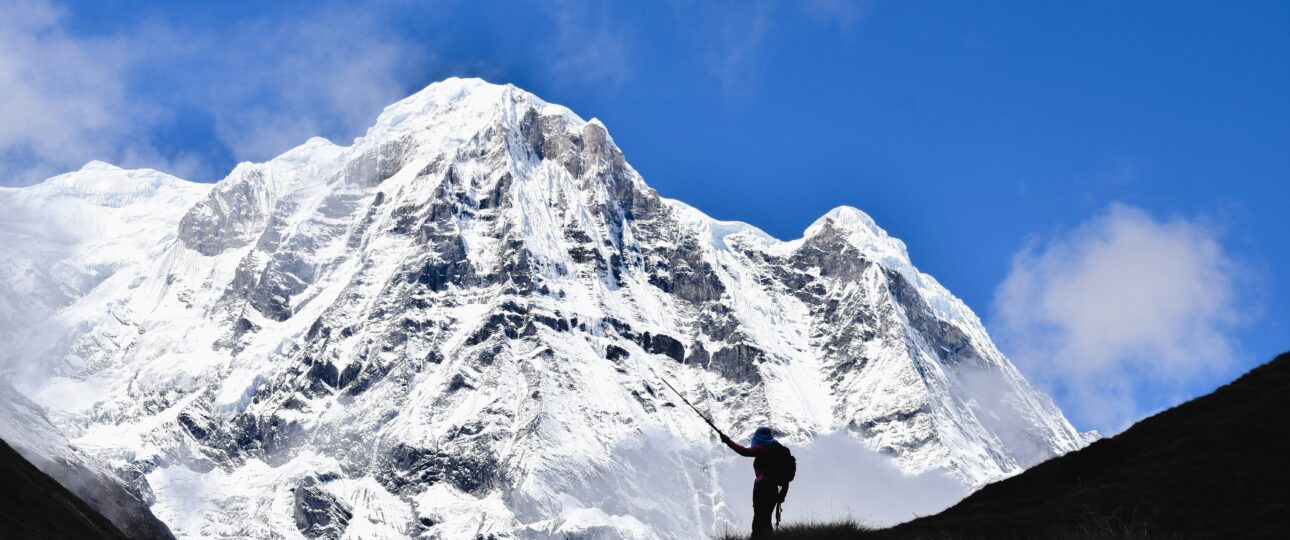
Located at an altitude of 4130 meters, Annapurna Base Camp (ABC) is one of the well-renowned trekking destinations of Nepal. Offering a magnificent view of the Annapurna ranges, this trek is one of the must-go trek destinations here. In this trek, we will get to explore the diverse landscapes, beautiful and lush forests, local farming fields, cultural settlements, and the way of life of the people of the hilly region of Nepal.
Being protected under the Annapurna Conservation Area, the vast category of flora and fauna found here are rare and valuable. The magnificent views of the Himalayas, the hilly landscapes, and many waterfalls would make the trek rewarding.
Significance of Annapurna Base Camp Trek
The Annapurna Base Camp Trek is among the vintage treks that attract a wide range of trekkers, from beginners to adventurers. Being ranked as a moderate trek, it is blessed with a good facility of accommodation and food, which is why many trekkers would love to trek to ABC. The Gurung and Magar people are found to have settled in this area, and their cultural way of living is added on for the trekkers. Simply put, Annapurna Base Camp Trek offers culture, traditions, beautiful views, and adventure at the same time, and the trek is a bumper package for any trekker.
Key Statistics of Annapurna Base Camp Trek
Location: Annapurna Conservation Area of Central Nepal
Altitude: 4130 Meters
Trek Distance: Around 80 Kilometers
Duration of Trek: 8 to 12 days, depending upon the trekker’s pace

Highlights of the trek
The Annapurna Base Camp Trek offers a vast range of experiences, which makes it one of the trekkers’ favorites. Some of the highlights are:
- The breathtaking Mountain vistas of Annapurna Massif, along with the diverse landscapes
- The Culture and tradition of the people in route
- The natural hot springs
- The rich biodiversity of the trek (To your information, if you are lucky enough, you get to see the rare Snow Leopard as well as the Red Panda)
- Great Opportunity of Photography
- The Annapurna Base Camp and Machhapuchhre Base Camp Exploration
Flora and Fauna of Annapurna Base Camp Trek
Annapurna Region is famous for its wide range of flora and fauna. Its landscape includes subtropical forests and dry alpine meadows, which are blessed with incredible biodiversity.
Flora
According to the data, the conservation area has 1226 species of flowering plants. These include the national flower of Nepal, the Rhododendron, bamboo, Oak trees, Magnolias, and many more. As we ascend the trek, we will see many wildflowers on our way. Slowly, we will get into the alpine vegetation, where we will see mosses and lichens. Yarshagumba, one of the famous medicinal herbs, is also found in this region.
Fauna
102 mammals, including some rare species, are recorded in the Annapurna Conservation Area. Some of the notable animals in the region are the snow leopard, Himalayan tahr, musk deer, and red panda.
Similarly, 474 species of birds are recorded here, among which the Himalayan Monal (Nepal’s national bird) is also found. Other notable birds are the bearded Vulture, golden eagle, and Himalayan Griffon. Along with birds, the conservation area is also blessed with a wide range of butterflies, as 600 species of butterflies are found in the Annapurna Conservation Area.
Preparation of Annapurna Base Camp Trek
Getting well-prepared before starting the trip is better to ensure a safe, enjoyable, and memorable trek. We suggest some key aspects, such as physical aspects, gear, and acclimatization plans, here so make sure to get prepared for the trek.
Physical Fitness:
Being a Moderate-Level trek, Annapurna Base Camp requires a certain level of physical fitness. Hikers need to be prepared for a long day of walking, trekking in uneven terrain, and trekking in higher altitudes. Trekkers need flexibility, good strength, and good cardiovascular fitness to enjoy the ABC trek properly.
To obtain Physical fitness for the Annapurna Base Camp Trek, Trekkers need to carry out hiking practice, long walks, and some yoga before some week of the trek to be fit properly.
Suggested Gear and Packing List
For a good experience and enjoyable trek, the proper gear and trekking materials are required. Here are some of the gears and packing list you need to get before starting the trek:
· Trekking T-shirts and Trousers
· Down Jackets
· Windproof and waterproof outers
· Trekking Socks and gloves
· Warm Hats
· Sunhats and Trekking Glasses
· Trekking Boots
· Sandal
· Trekking Poles
· First Aid Kit
· Water Bottles
· Sunscreen Cream
· Other personal medicines and items
Acclimatization Plans
Acclimatization is one of the significant things to keep in mind while we go for a trek. Here are some strategies to carry out to get appropriately acclimatized:
· We need to stay hydrated while we are trekking. Hydration plays a vital role in acclimatization.
· We need to follow the strategy of climbing high and sleeping low. We should go slowly towards the destination.
· Always pay attention to your body and its reaction. If you feel some symptoms or altitude sickness or have difficulty breathing, descend downwards, get used to the environment, and only continue.
· Follow your guide’s instructions and take rest days to get acclimatized.
· Avoid the use of alcohol and smoking during the trek
Recommended Itinerary:
If you go online, you will find different Annapurna Base Camp Trek itineraries. Here is the Outline itinerary we recommend for getting to Annapurna Base Camp.
Day 01: Arrival in Kathmandu & Pre-trip discussion (1,300m/4,264ft)
Day 02: Drive to Pokhara(827m/2,700ft) 6 -7 hours’ drive
Day 03: Drive to Ghandruk(1940m/6360 ft) 5 -6 hours
Day 04: Ghandruk to Chhomrong(2170m/7120ft) 5 – 6 hours trek
Day 05: Chhomrong to Bamboo (2310m/7578ft) 4 – 5 hours trek
Day 06: Bamboo to Deurali(3230m/10,595ft) 3 – 4 hours trek
Day 07: Deurali to Annapurna Base Camp (4,130m/13,545ft), via Macchapuchre Base Camp (3700m/12135ft) 5- 6 hours trek
Day 08: Annapurna Base Camp to Bamboo 7 – 8 hours trek
Day 09: Bamboo to Jhinu Danda(1760m/5770 ft) 5 – 6 hours trek
Day 10: Jhinu Danda to Nayapul; 6 hours trek, drive back to Pokhara; 1 hour
Day 11: Drive back to Kathmandu 6 -7 hours’ drive
Permits required for the trek
To trek to Annapurna Base Camp, you will require different permits to enter into the trekking area. These permits are required for foreign trekkers. Nepali trekkers do not require any permits to trek in the region. Here are the permits that are required to trek in Annapurna Base Camp.
· Annapurna Conservation Area Entry Permit
· Trekkers Information Management System(TIMS Card)
Best Time to Trek
To get beautiful views and for a safe experience, choosing the best time is crucial. The conditions would differ depending on the seasonality as the weather, tourist crowd, and others influence the trekking experience. The considerations for the trekking conditions by seasonality are:
Spring Season: This season consists of months from March to May, and it is one of the best seasons for trekking. The dry weather, warmer days, and clear skies are great for any trekkers to enjoy.
Autumn Season: Autumn is another season best for trekking. It consists of the months of September to December and offers stable weather conditions along with clear skies.
Winter Season: Winter is not a much preferred season for trekking. It is from December to February, and the days are very cold in trekking altitudes. Also, the snowfall in higher altitudes makes the trek much more difficult, but if you are an extreme adventurer and snow lover, you can select this season for trekking.
Monsoon Season: The monsoon season lasts from June to August. Heavy rainfall during this season makes the trail muddy and slippery, and there are high risks. Clouds and rainy weather block views, making this season not ideal for trekkers.
Accommodation and Food
Food and Accommodation are significant components during the trek. Here are the accommodation options available during the trek to Annapurna Base Camp.
Tea Houses:
These are easily available accommodation options during the trek. They are usually run by families and provide basic amenities, such as shared bathrooms, Wi-Fi in some places, and wooden beds.
Homestays:
Homestay is another option of accommodation during the trek to Annapurna Base Camp. Here it offers
Meals and Diet Considerations in the Trek
Different meals and diet options are available during the trek to Annapurna Base Camp. Here are the meal options available on the trek:
Dal-Bhat: Dal bhat is a traditional Nepali food usually served with vegetables and pickles. It is recommended because of its high nutritional value.
Some Western Dishes: The hotels’ menus offer some Western dishes. For example, there might be options for Momos, chow mein, etc.
Soups: During the trek, different soup types are available on the route. Soup is a great food option for cold weather.
Noodles: Noodle soups are also a dish available on the Annapurna Base Camp Trek. They are ideal for cold weather.
Local Dishes: In some tea houses and homestays, you will have the option to taste some local dishes that are authentic and offer different tastes.
Our Request
We ask that you be responsible and sustainable travelers. Please do not leave any traces and throw unwanted materials in the proper places. Let’s be accountable while traveling and make the world more beautiful.
Conclusion
The Annapurna Base Camp trek is a mesmerizing adventure with natural attractions, a cultural experience, and a rewarding view of Annapurna and Machhapuchhre. You will navigate through beautiful green forests, cultural villages, and different landscapes.
Reaching an altitude of 4130 meters and a moderate trek, the Annapurna Base Camp Trek would be ideal for beginners and professional trekkers. This trek would be an excellent opportunity for the trekkers to get close to nature and the Himalayas and explore the culture of the hilly region of Nepal.
Well, here we would like to know about your experience and travel incidents or any questionnaires you have in the comment section below. Whether you are a beginner or professional trekker, you would like to go trekking to Annapurna Base Camp and explore the beauty of the Himalayas.