Discovering the Hidden Kingdom of Upper Mustang: Uncovering the Rich Culture, Stunning Landscapes, and Adventurous Treks
Upper Mustang is a hidden gem in Nepal, located in the northern part of country bordering Tibet. This remote and isolated region was only opened to tourists in 1992. Even today, only a limited number of visitors are allowed each year to preserve the area’s unique cultural heritage and natural beauty.
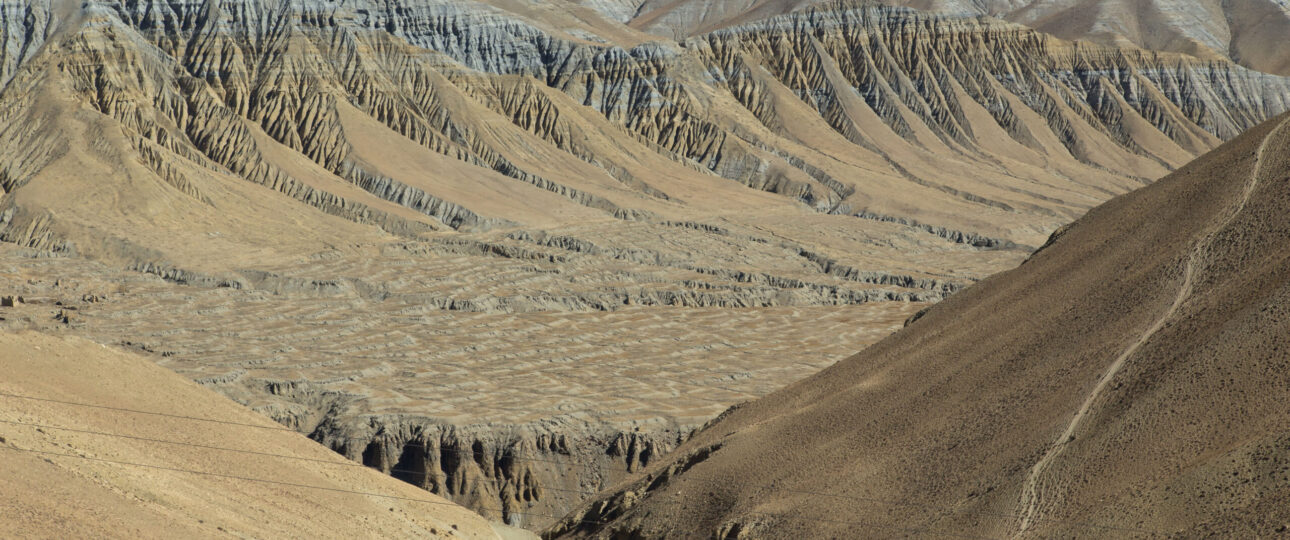
It is a popular destination for travelers who want to experience rugged landscape, ancient culture, and stunning vistas of the Himalayan Mountains. The area is known for its colorful rock formations. It is home to historic walled city of Lo Manthang, former capital of Mustang Kingdom.
Area is home to historic walled city of Lo Manthang, former capital of Mustang Kingdom. This city is truly a sight to behold, with its intricate architecture, unique culture, and ancient history. The city’s mud and stone walls are decorated with intricate carvings and paintings that give visitors a glimpse into the region’s rich cultural heritage.
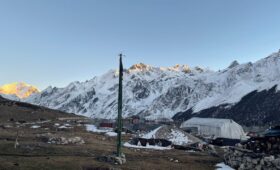
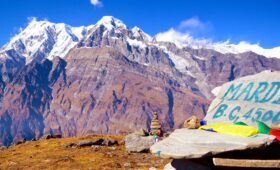
Aside from the stunning architecture and history, Upper Mustang offers some of the most spectacular Himalayan mountain views. You’ll be surrounded by towering peaks and deep canyons that stretch forever. The rugged landscape is truly a sight to behold and offers a unique experience that is hard to find anywhere else.
One of the best ways to experience Upper Mustang is through trekking. Trekking through Upper Mustang is an incredible way to experience this remote and unique Himalayas region. Trekking routes in Upper Mustang are widely regarded as some of the best in the world, with trails that will take you through some of the most remote and untouched parts of the Himalayan Mountains.
Trek can be challenging, but reward of discovering this hidden gem is well worth effort. As you trek through Upper Mustang, you’ll be surrounded by towering peaks, deep canyons, and colorful rock formations. The rugged landscape is truly a sight to behold and offers a unique experience that is hard to find anywhere else.
Getting around Mustang
Getting to Upper Mustang is an adventure, as the region is one of Nepal’s most remote and isolated areas. To reach Upper Mustang, you must trek through Kali Gandaki Gorge, deepest gorges in the world, which separates Annapurna and Dhaulagiri mountain ranges.
Trek to Upper Mustang can take up to 10 days, depending on your starting point, pace, and weather conditions. Journey requires a bit of effort and physical fitness, as you will be trekking at high altitudes and walking for several hours each day. Therefore, it is not for the faint of heart, and you must be mentally and physically prepared for the journey.
Trek to Upper Mustang begins in Jomsom, the district headquarters of Mustang, which is accessible by a 20-minute flight from Pokhara or a two-day jeep ride from Kathmandu. You will start your trek from Jomsom and follow the Kali Gandaki River upstream towards ancient town of Kagbeni, gateway to Upper Mustang.
From Kagbeni, you will enter a restricted area of Upper Mustang, where you will need a special permit. A registered trekking agency can only obtain a permit; a licensed guide must accompany you.
Along the way, you’ll also have an opportunity to immerse yourself in the unique culture of Loba people, who deeply connect to their land and traditions. You’ll encounter ancient monasteries, prayer flags, colorful clothing, and ancient rituals practiced for centuries.
Upper Mustang Trek can take up to 10 days, and trail is relatively challenging due to high altitude and rugged terrain. However, trek can be customized to fit your fitness level, and there are plenty of opportunities to take breaks and rest.
As you trek through the region, you’ll also have an opportunity to stay in traditional teahouses or campsites, offering a unique experience and a chance to connect with locals. The teahouses and camps are essential, but they provide all the necessary amenities and a comfortable resting place after a long day of trekking.
How to obtain Permits for upper mustang trek
To trek in Upper Mustang, foreign visitors are required to obtain permits: Restricted Area Permit (RAP) From Immigration Department, Annapurna Conservation Area Permit (ACAP), and TIMS Trekking informational Manual from Trekking Agencies Association of Nepal (TAAN).
ACAP permit is mandatory for all trekkers visiting Annapurna region, which includes Upper Mustang. Permit can be obtained in Kathmandu or Pokhara from Nepal Tourism Board or Trekking Agencies Association of Nepal (TAAN). The permit fee for an ACAP permit is NPR 5,000 per person.
A restricted Area Permit (RAP) is a special permit required for foreigners to enter Upper Mustang region. This permit is issued only through a registered trekking agency in Nepal and cannot be obtained through individual applications From Immigration Department. RAP fee is USD 500 per person for first ten days and USD 50 per person per day beyond ten days. A permit is valid for a maximum of 30 days.
In addition to ACAP and RAP permits, visitors must have valid Nepalese visas. Visa can be obtained upon arrival at Tribhuvan International Airport in Kathmandu or various land border crossings.
It is important to note that the RAP permits are issued for a specific entry and exit point and are not transferrable to other entry points. Permit holders must also travel with a licensed guide and follow a pre-approved itinerary. Department of Immigration in Nepal must approve any changes to the itinerary.
Food and Lodging:
Accommodation in Upper Mustang can be basic but comfortable, with most guesthouses offering simple rooms with twin beds and shared bathrooms. Some guesthouses also provide hot water and electricity. Still, these amenities may not always be available due to the region’s remoteness.
Food options in Upper Mustang are relatively limited, with most guesthouses offering a similar selection of dishes. The most common dishes available are Dal Bhat, a lentil soup served with rice and vegetables. Additionally, some guesthouses may offer Tibetan bread, a flatbread made with flour and water cooked over an open flame.
Special Cuisines:
One of the unique dishes of Upper Mustang is Thukpa, a hearty soup made with noodles, vegetables, and meat or tofu. Thukpa is a staple dish in the region and is often served to trekkers as a warm and comforting meal after a long day of hiking.
Another specialty in Upper Mustang is the Yak Cheese, made by local communities and considered a delicacy. The cheese is hard, salty, and used in dishes such as Thukpa and Momos.
One of the traditional drinks of Upper Mustang is Tibetan Butter Tea, a rich and creamy tea made with tea leaves, yak butter, and salt. This tea is an excellent energy source and warmth in the cold weather of Himalayas.
Culture and architecture
Once you arrive in Upper Mustang, you’ll find a culture that has remained unchanged for centuries. The people of Upper Mustang are known as Loba, and they have a unique Tibetan-influenced culture that is still practiced today. The Loba people are known for their hospitality and deep connection to their land and traditions.
One of the fascinating aspects of Upper Mustang is its architecture. Upper Mustang is known for its unique architecture, which reflects the region’s rich cultural heritage and history. The ancient buildings in Upper Mustang are made of mud, stones, and wood and have intricate designs carved into the walls, making them a fascinating sight to behold.
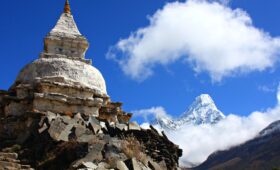
The buildings in Upper Mustang are often painted in bright colors, including deep reds, blues, and yellows, which stand out against the surrounding landscape. These vibrant colors are not only aesthetically pleasing, but they also hold significant cultural and religious meanings. Many buildings are adorned with prayer flags and other symbols of Tibetan Buddhism, such as prayer wheels and mani stones.
Architecture of Upper Mustang is a testament to the region’s long-standing connection to Tibetan Buddhism, which has shaped culture and traditions of the area for centuries. Buildings are often clustered in small villages and towns, creating a unique and intimate atmosphere, unlike any other place.
Festivals
In addition to stunning architecture, Upper Mustang is known for its festivals and religious ceremonies. Upper mustang Tiji Festival, which takes place in the spring, is a three-day event that celebrates victory of good over evil and includes colorful dances and performances.
The festival is celebrated by people of Lo community, who are of Tibetan descent and follow Tibetan Buddhism.
Festival is held annually in May and lasts for three days. It is a time for the people of Upper Mustang to come together and celebrate their culture and traditions and pay tribute to their ancestors.
Tiji Festival is centered around the myth of Dorje Jono, a deity believed to have battled against demons to protect people of Upper Mustang from harm. Festival reenacts this myth through the performance of masked dances and rituals.
On the festival’s first day, a large thangka (religious painting) of Dorje Jono is displayed for all to see. The thangka is said to have been blessed by Dalai Lama, and its unveiling marks beginning of festivities.
The festival’s second day is dedicated to performing traditional dances and rituals. The dancers wear elaborate costumes and masks representing various deities and demons and perform intricate and mesmerizing choreography to the beat of traditional music.
On the festival’s final day, a large statue of Dorje Jono is displayed in the town square. A ritual is performed to symbolize defeat of demons and victory of good over evil.
Tiji Festival is a time for the people of Upper Mustang to come together and celebrate their shared culture and heritage. It is also an opportunity for visitors to experience rich history and traditions of this unique and remote region of Nepal.
Another colorful celebration is the Yartung Festival, a vibrant and lively celebration annually in Nepal’s Upper Mustang region. People of Tibetan and Loba communities celebrate festivals. It is a time for them to unite and celebrate their culture and traditions.
Yartung Festival is held in August and lasts for three days. It is a time for people of Upper Mustang to enjoy horse racing, music, dance, and food. Festival is celebrated in the district headquarters of Mustang, Jomsom.
Highlight of festival is horse racing competition. Competition takes place on the festival’s first day and is open to all. Horse races are held in a field outside of town. They are divided into different categories, such as stallion races, more races, and races for young horses.
Horse races are accompanied by traditional music and dance performances. The people of Upper Mustang dress up in their finest formal attire and perform dance routines to the beat of traditional music. The dances are usually performed in groups and are a spectacular display of color and energy.
In addition to the horse races and dance performances, Yartung Festival also features a food festival. Local food vendors set up stalls in the town and sell a variety of traditional dishes, such as momos, thukpa, and chhang (a traditional alcoholic beverage made from barley).
Lo Manthang, an ancient capital
Town is situated at an altitude of 3,800 meters and can only be reached through a five-day Upper Mustang trek from Jomsom, the district headquarters of Mustang.
Lo Manthang is a place of historical and cultural significance. It was once the capital of the Kingdom of Lo and is still home to royal family of Mustang. Town is surrounded by a massive wall made of mud and stones, with four gates that lead to the town’s inner courtyards.
Upper Mustang town’s architecture is unique and reflects its rich history. The houses are mud and stone, with flat roofs and narrow alleyways. Buildings are adorned with intricate carvings, paintings, and other forms of art that depict the region’s culture and religion.
Lo Manthang is also famous for its monasteries and temples, considered some of Nepal’s oldest and most significant. The Jampa Lhakhang Temple, known as the “God House,” is most famous. Temple is made of clay bricks and is adorned with intricate murals and carvings. It is said to be over 500 years old and is still in use today.
Upper Mustang is a must-visit destination for travelers who want to experience a unique and remote culture and explore stunning natural beauty of Himalayan Mountains. While it may take some effort to get there, discovering this hidden gem is worth the reward.