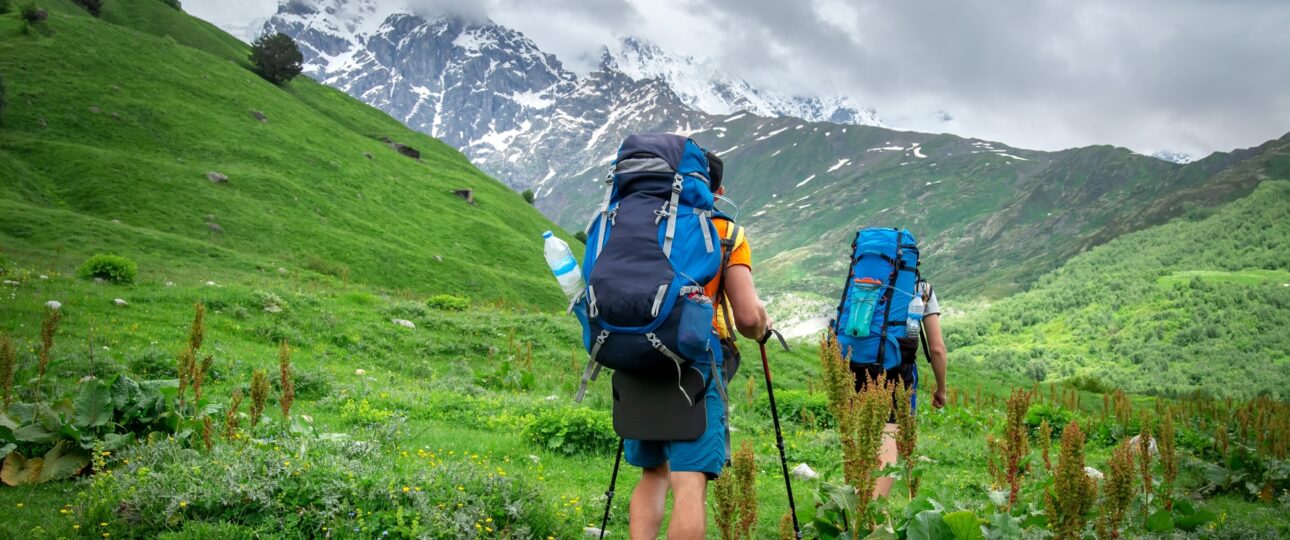
Imagine standing at dawn on a high ridge, surrounded by silence, the air crisp and thin. Below you lies the mystical Nar Phu Valley – a hidden Himalayan world of stone villages, fluttering prayer flags, and snow-capped peaks. Tucked deep in northern Manang (Annapurna region), this remote valley feels “beyond the world, built on history and culture”. Nar and Phu were off the grid for centuries – pilgrims and traders rarely ventured here.
Only recently (the 1990s–2000s) were Nar Phu’s ancient gompas and barley fields opened to trekkers. Today, the lure of solitude, Tibetan culture, and jaw-dropping scenery draws adventurers seeking “one of the best off-the-beaten-path treks” in Nepal.
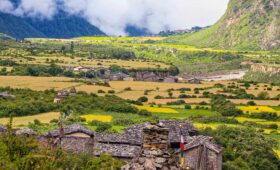
The Nar Phu Valley trek is a true hidden gem in Nepal’s Himalaya. Unlike the crowded trails of the Annapurna Circuit, Nar Phu remains pristine and uncrowded. Only a few hundred people live here, their lives following rhythms unchanged for generations. Sturdy stone houses cling to sun-baked cliffs, chortens and monasteries cast long shadows, and herds of yaks and sheep graze emerald pastures against rugged peaks. This sense of ancient peace makes Nar Phu unforgettable, where yak bells tinkling echo through narrow alleys and mountains seem closer than ever.
Hidden in the Highlands: Location and Isolation
Nestled in the far northeastern pocket of Manang District, Nar Phu Valley sits on the borderlands with Tibet. It’s part of the Annapurna Conservation Area, flanked by giants like Annapurna, Manaslu, Gangapurna, Tilicho, and the shimmering white flanks of Kangaru and Himlung Himal. Yet it feels worlds apart. Nar and Phu’s remote location and cultural ties to Tibet kept the villages isolated for centuries. Nar’s red-brick monastery, for example, only saw outsiders after 2003 (though the region was opened for trekking in 1992). Even today, “only a few trekkers explore the Nar Phu Valley each year”.
This isolation has preserved a uniquely Tibetan-influenced way of life. The Nar and Phu people are descendants of Tibetan Khampa warriors and nomads. They speak the Nar-Phu dialect (a Tibetan dialect) and follow Kagyu and Nyingma Tibetan Buddhism. Prayer flags crown every ridge, mani stones line every pass, and monks gather at gompas built centuries ago. Such rich culture and the off-the-beaten-path peace truly feel like a journey to another world.

Getting There: Access and Permits
Reaching Nar Phu feels like embarking on an adventure from the very start. There are no paved roads into the valley – only remote trails weave through the mountains. The two main gateways are Besisahar (the trailhead of the Annapurna Circuit) and the village of Koto (Manang). Most trekkers begin with a drive to Besisahar and then a Jeep or bus to Koto. From Kathmandu, it’s about a 6–7 hour drive to Besisahar (via Prithvi Highway), and another 4WD ride on a rough dirt road to Koto (2,600 m).
The journey is scenic: terraced rice fields, gushing river gorges, and towering peaks like Lamjung Himal open up along the way. (Alternative routes include trekking via Jagat on the Annapurna Circuit path to meet Koto, but most prefer the jeep for speed and comfort.)
From Koto, the trek enters Nar Phu. The trail climbs through pine forests and river valleys toward the Nar River basin. Key villages en route include Dharmasala (Nar Phedi), Meta, and Kyang before reaching Phu and then Nar. (See Trekking Itinerary below for details.)
Permits: Nar Phu is restricted, so special permits and rules apply. You must trek with a registered agency and licensed guide (no solo trekking, and groups of at least 2). Three permits are required: the Annapurna Conservation Area Permit (ACAP), a Nar Phu Restricted Area Permit, and the TIMS (trekker information management) card. The ACAP permit (around NPR 3000 for foreigners) supports regional conservation. The Nar Phu Restricted Permit is more expensive (roughly USD 75–100 per week, depending on season) and underscores the valley’s protected status. These fees fund trails and local projects, so pack them as part of your adventure. Before starting, all permits are obtained in Kathmandu (or through your tour operator).
Key Travel Tips: Remember that amenities vanish after Besi Sahar. Once in the Nar Phu region, there are only basic teahouses and villages. Plan logistics (cash, fuel, water purification, gear) accordingly. Poles and a sleeping bag are essential. Aim to arrive in Besi Sahar or Koto by afternoon so you can start the trek early the next day.
Itinerary: Days on the Trail
An ideal Nar Phu Valley trek takes about 10–14 days from Kathmandu (or 8–12 days from Besisahar) to allow for acclimatization and exploration. Here is a typical route highlighting key stops (distances/hours are approximate):
Day 1 – Kathmandu to Besisahar (760 m):
Drive or bus to Besisahar (6–7h). Enjoy mountain vistas en route. Overnight in Besisahar.
Day 2—Besisahar to Koto (2,600 m):
Jeep or bus to Koto (3–4h, 4×4 advised). This rough road ride offers glimpses of the Marshyangdi and Marsyangdi valleys. If needed, stop at Jagat for a permit check. Stay overnight in Koto.
Day 3 – Koto to Meta (3,550 m):
Trek 6–7h, ascending through Dharamsala (Nar Phedi) and into pine forests. You’ll cross suspension bridges and pass a waterfall at Nar Phedi, then climb steeply to reach Meta village (a Tibetan plateau settlement). (Meta’s stone houses perch under cliffs, with panoramic views of Mt. Lamjung and Annapurna.) Overnight at Meta.
Day 4 – Meta to Phu (4,080 m):
Trek 6–7h. The trail undulates through forest clearings and the village of Kyang (3,450m), then follows the Phu Khola river upstream. Finally, climb to Phu Village (4080m). En rout,e you’ll see ruins of old Khampa rebel forts and no other settlements. Phu looks timeless: stone homes and prayer flags stacked on a steep ridge, with Himlung Himal towering above. Overnight in Phu.
Day 5 – Acclimatize and Explore Phu:
Rest day (or do a local hike). Explore the village and meet locals. Visit Lakhang Monastery (built by a Karmapa lama in 1959), which has ancient murals and is a small children’s school. (If timed right, you may witness monks chanting or farmers tending barley fields.) Phu is also a gateway to the Himlung Base Camp (if you have extra days). Overnight in Phu.
Day 6 – Phu to Nar Phedi (Dharmasala, 3,490 m):
Trek \~5h, \~12km. Cross the Phu Khola on wooden bridges and ascend through juniper pastures. You’ll come to Nar Phedi (also called Dharmasala) – a rest point with a red gompa (monastery). This charming spot has a walled courtyard, prayer flags, and blessing stones. It’s a great place to learn about Bon/Buddhist life from the resident nuns or monks. (There are rustic lodge rooms here where trekkers can sleep by the monastery.) Overnight at Nar Phedi’s modest lodgings.
Day 7 – Nar Phedi to Nar Village (4,110 m):
Trek \~5h, 12km. The trail now climbs above the tree line. You’ll pass fields of buckwheat and yak pastures. Look for mountain goats and wildflowers. Enter Nar Village through a carved stone gate (mani wall). Nar (4110m) is a maze of flat-roofed stone houses. Visit its monasteries and mani walls, with stunning views of Pisang Peak and beyond. The contrast of red-brick temples against stark cliffs (and the tiny Himalayas in the distance) is unforgettable. Overnight in Nar (homestay or lodge).
Day 8 – Nar to Kang La Pass (5,320 m) to Ngawal (3,660 m):
Toughest day – 8–9h trek, \~18km. Early start! Climb past yak herds and larch forests to Jhombu Kharka (Pasture) and then up a steady snow-covered ridge. Kang La Pass (5320m) is the high point, about 2 hours up from Nar. The panoramic reward is worth it: 360° views of Annapurna IV, Dhaulagiri, Manaslu, Tilicho, and more. Descend on the other side to Kang La Phedi, then continue down to Ngawal Village (3660m), a picturesque Gurung settlement on the Annapurna Circuit. Overnight in Ngawal.
Day 9 – Ngawal to Besisahar:
Trek \~2h down to Pisang (3,300m), then jeep back to Besisahar (approx. five-hour drive). In Pisang, soak in one last panorama of Annapurna II, IV, and Pisang Peak and see the 400-year-old monastery there. Then, we descend by road through Manang, Chamje, and Dumre and return to Besisahar. Overnight in Besisahar or drive straight to Kathmandu.
Day 10 – Besisahar to Kathmandu: Return by bus/car (6–7h) to Kathmandu. Reflect on your adventure – you’ve traversed one of Nepal’s best off-the-beaten-path treks.
(Optional extensions: You can also continue from Ngawal across Thorong La Pass to Jomsom/Muktinath, or loop via Tilicho Lake – combining Nar Phu with more famous treks. But the standard loop above is most direct.)
Practical Info: Teahouses, Food, and Comfort
This is an actual wilderness trek, so lodgings are basic. You’ll stay in village teahouses/guesthouses – simple stone huts run by locals. Expect a narrow bed, a shared bathroom (often squat toilet, many with a drop in the yard), and a wood-fire or solar-heated “shower” (if you’re lucky). A few new lodges at major stops (Phu, Nar Phedi, Ngawal) have western toilets or heated rooms. Electricity is usually provided via solar/generator for a few hours each evening, enough to charge phones and cameras. In short: “not on par with the Everest Base Camp trail, yet offers all the basic amenities needed to survive on the wild, isolated trail”. Pack a good sleeping bag, quick-dry towel, and headlamp.
Accommodation: Villages like Meta, Phu, Nar Phedi, and Ngawal have one or two teahouses. They serve as both lodging and a communal hall. You’ll share a table with other trekkers and families. In Phu and Nar, you may also find homestays with local families (especially kids will be curious and friendly). Tip: Gender-separated rooms are standard, and treks fill up in spring/autumn – book with an agency or be flexible.
Food: Expect straightforward high-altitude fare. Dal baht (lentils and rice), thukpa (noodle soup), chow mein or fried noodles, and momos (dumplings) are staples on menus. For example, hot thukpa with vegetables or yak meat and a cup of salty yak butter tea to warm you up. Carbohydrate-rich snacks (biscuits, nougat, sweet tea) fuel each day. Vegetarians manage with dal bhat and potatoes, but variety is limited – we recommend packing energy bars or instant soups. Locals in Nar/Phu also eat tsampa (toasted barley flour dough) and dried meat as daily staples. In short, food is hearty and simple. Don’t expect fancy Western choices – bring your favorite snack.
Comfort & Services: Modern comforts are scarce. There is no phone or internet service until Ngawal. Hot showers (often solar-heated) may be available at Ngawal and perhaps Phu; elsewhere, wash in a basin or nearby stream. Drinking water must be boiled or treated (some lodges sell boiled water; otherwise, bring purification tablets or a filter). Almost no ATM access – carry all cash (Kathmandu or Besi Sahar have banks, none beyond). Most lodges allow payment by cash only and accept only Nepali rupees. Wifi is scarce (perhaps Ngawal/Meta if at all) and expensive.
Despite the Spartan conditions, villages are welcoming. Expect warm hospitality: women may invite you to share yak butter tea, and children often say “Namaste!”. With the right attitude, even a simple stay becomes an experience of daily Himalayan life.
Nature & Wildlife: Alpine Splendor
Nar Phu’s landscapes are astonishing. One morning, you might trek through dense pine and rhododendron forest; a few hours later, you emerge into a high desert plateau of golden grass and deep canyons. The valley truly transitions from lush riverine woods to barren, Trans-Himalayan heights. Towering cliffs carved by glaciers loom above grassy yak pastures; thundering waterfalls spill down the canyon walls. This variety is why travelers praise the trek’s “diverse landscape” – from lush Marshyangdi forests below to arid Tibetan plains in Nar Phu. In spring, alpine meadows burst with wildflowers and vivid rhododendrons. The crisp air carries the scent of pine, juniper, and yak dung (locals use dried yak dung for fuel).
Wildlife is elusive but present. Nar Phu lies in the Annapurna Conservation Area, home to Himalayan sheep and goats. Look for shy Himalayan blue sheep (bharal) and the stubby wild yak. The Himalayan tahr (Thar) and musk deer are high on the rocky slopes. Lucky trekkers might even glimpse a snow leopard or its prints in the scree, or hear the far-off honk of a bharal herd. Birdlife is rich: we caught sight of a dazzling Himalayan monal pheasant (Nepal’s colorful national bird) and snow pigeons. Griffon and lammergeier vultures wheel overhead, and in the forested low stretches, woodpeckers and warblers chatter in the underbrush. The marshes can teem with frogs and marmots in the spring and summer.
Throughout your hike, the scenery keeps changing. In the high pass, expect stark moonscapes of rock and snow – the sky so deep blue it’s surreal. Water trickles down gravel banks at lower camps, and wildflowers line the trail. In Nar and Phu villages, tangled wheat, barley, and buckwheat fields with grazing yaks contrast with the sheer emptiness beyond the village boundary. Every turn brings a new vista: from dramatic gorges and vertigo-inducing bridges, to serene pastures dotted with fluttering prayer flags and grazing animals. It’s the trek where you feel humbled by nature’s vastness and enthralled by its fine details.
Culture & Traditions: Tibetan Heartland
The Nar and Phu communities breathe Tibetan Buddhist culture. In every village corner, you’ll find tall chortens (stupas) draped in prayer flags, mani walls carved with Buddhist mantras, and prayer wheels spun by villagers. Religion and daily life are inseparable here. The people here descend from Tibetan settlers of the former Kham province, and you hear the lyrical Tibetan dialect in conversation. The valleys’ cultural fabric blends Buddhist and ancient Bon traditions. Families rotate between high summer pastures and lower winter settlements in age-old patterns, and children often start schooling in monasteries.
The red-walled Nar Phedi (Dharmasala) Monastery sits against snowy peaks—such ancient gompas (monasteries) anchor village life in Nar Phu, preserving Buddhist and Bon traditions.
One highlight is Tashi Lakhang Gompa in Phu. A Tibetan lama founded this venerable monastery (some sources say over 300 years old) and still holds prayers daily. Inside are ancient thangka paintings and prayer flags stacked to the rafters. In Nar itself lies Nar Phedi Monastery, run by nuns; its crimson walls are festooned with prayer wheels you can spin. These sacred sites let visitors witness chants and rituals up close. (In Phu, you can often step into the monastery courtyard and even stay overnight for an authentic homestay with nuns or monks.)
Festivals are vivid windows into Nar Phu culture. In late January/February, Losar(Tibetan New Year) erupts in Nar & Phu. Villagers don embroidered chubas and gleaming hats, gather around feasts of tsampa dough, and perform masked dances and fire rituals deep into the night. In summer, the Yartung Festival livens up Phu: riders race horses across dusty plains, riders wearing bandanas and beads, as neighbors sing and cheer.
These events are rare treats for trekkers—if the timing is right, you might catch drumbeats or archery contests. Daily life feels timeless: children herd yaks to green pastures, elders spin prayer wheels at dawn, and evening lamps glow in the stone houses.
Beyond religion, the people of Nar Phu are shepherds, farmers, and artisans. They grow barley, potatoes, and buckwheat on terraces, as well as herd yaks, sheep, and dzos (yak-cow hybrids). Homes are built of local stone with flat roofs layered in hay or dung for insulation. Villagers wear handwoven wool garments and yak fleece blankets. You’ll often meet smiling locals selling handmade snacks or carrying loads along the trail. Take time to chat – they are known for hospitality. In Nar Phu, “you will explore a pristine and culturally rich area of Nepal while enjoying the raw and untouched nature”.
A trekker meets villagers on a late afternoon walk through Nar Village. Stone houses and narrow alleys are alive with local life – children playing, goats wandering, and prayer flags above – giving a glimpse into high Himalayan culture.
Responsible Travel Tips
Nar Phu is pristine; please help keep it that way. As a visitor, practice Leave No Trace: carry out all your trash (even organic waste like orange peels), use refillable water bottles (treat water with tablets or boil), and stick to marked trails. Plastic is scarce in the valley, so avoid single-use plastics at home (many lodges won’t have trash services). Use biodegradable soap at campsites or sinks, and bury human waste if beyond lodge toilets.
Respect local customs: ask permission before photographing people or their homes. Dress modestly (cover shoulders and legs) in villages and religious sites. Remove your shoes before entering the gompa and spin the prayer wheels gently. Give to the local economy by hiring local guides, eating at Nepali-owned lodges, and buying handicrafts (like yak wool textiles or prayer flags) directly from villagers. By doing so, you support the community and its traditions. Remember: Nar Phu’s charm lies in its authenticity – preserve it by traveling gently.
Charity and conservation efforts exist here. Local NGOs and ACAP (Annapurna Conservation Area Project) use permit fees to restore monasteries, promote traditional weaving, and protect fragile ecosystems. You can contribute by participating respectfully—for example, a small donation at a monastery goes a long way. Always trust your guide to learn more about cultural etiquette or sensitive areas.
Lastly, plan for emergencies. Medical services are far away; a small first-aid kit and high-altitude medication are wise. Know the symptoms of altitude sickness and acclimatize well (this is a high-altitude trek!). Travel insurance with helicopter evacuation is strongly recommended. By preparing responsibly, you ensure this journey benefits you and the villages you visit.
Nar Phu vs. the Annapurna Circuit
Why choose Nar Phu over the famous Annapurna Circuit? Both routes start in the Marsyangdi Valley and share Himalayan panoramas, but the experience couldn’t be more different. The Annapurna Circuit is a bustling, classic loop – you’ll meet crowds of trekkers, dozens of lodges, and people worldwide at each overnight stop. Nar Phu, in contrast, is solitude and authenticity. “Few trekkers take the time to turn off the main Annapurna Circuit trail into Nar-Phu,” and “those who do usually find these quiet valleys to be the highlight of the trek”.
In practical terms, Nar Phu’s permit costs and remoteness keep numbers down. You might see only a handful of groups each day on the trail. Lodges are sparse; sometimes, you may share a lodge in Nar or Phu with just a few other trekkers. The silence of the mountains – broken only by bells or wind – feels sacred. Nar Phu is a cultural window into Tibetan life, whereas the Circuit passes mainly through Gurung and Magar villages. You’ll hear monks’ chants instead of Nepali folk songs, and smell incense and yak butter instead of roadside tea shops.
Yet both treks offer Himalayan grandeur. Annapurna Circuit has expansive vistas of Machhapuchhare and Dhaulagiri; Nar Phu offers intimate encounters with Annapurna I/II, Tilicho, Manaslu, and more. If the Circuit is a grand festival, Nar Phu is a quiet retreat. Nar Phu is unmatched for an adventurous traveler seeking a Nepal travel guide’s dream off-the-beaten-path experience. You trade luxury for raw beauty and solitude and earn memories of a valley few can claim to know.
Conclusion: Your Next Adventure
Nar Phu Valley is an adventure that stays with you long after the trek. It’s an expedition into wild beauty and living history. Towering peaks like a crown, crumbling cliffside villages, fluttering prayer flags, and wise-faced shepherds make the valley a treasure in Nepal’s highlands. As one traveler put it, Nar Phu isn’t “just another trekking destination” but a place of “deep spiritual resonance.”
Nar Phu Valley should be your next expedition if you yearn for peaceful trails, Tibetan culture, and Himalayan solitude. Plan well, book your permits, and tread respectfully – the reward is a “phenomenal” journey that few ever take. The path is challenging, but each day offers new wonders: monasteries at dawn, yak-filled pastures at noon, and starry skies at night. In this hidden gem of Nepal’s Annapurna region, you’ll find both serenity and the thrill of discovery. Embark on the Nar Phu Valley trek and uncover a remote, timeless world worth every step.